During the crusades to Jerusalem, when the ships of King Richard the Lionheart were forced to moor on the coasts of Cyprus, the island was under the reign of Byzantine Emperor Komnenos. The ruler of that time not only neglected to assist the crusaders but condoned the robberies and attacks to which the English vessels were subjected. As Richard’s troops surpassed their attackers in number, the English rapidly laid siege to the island, bringing in a new era to Cyrus.
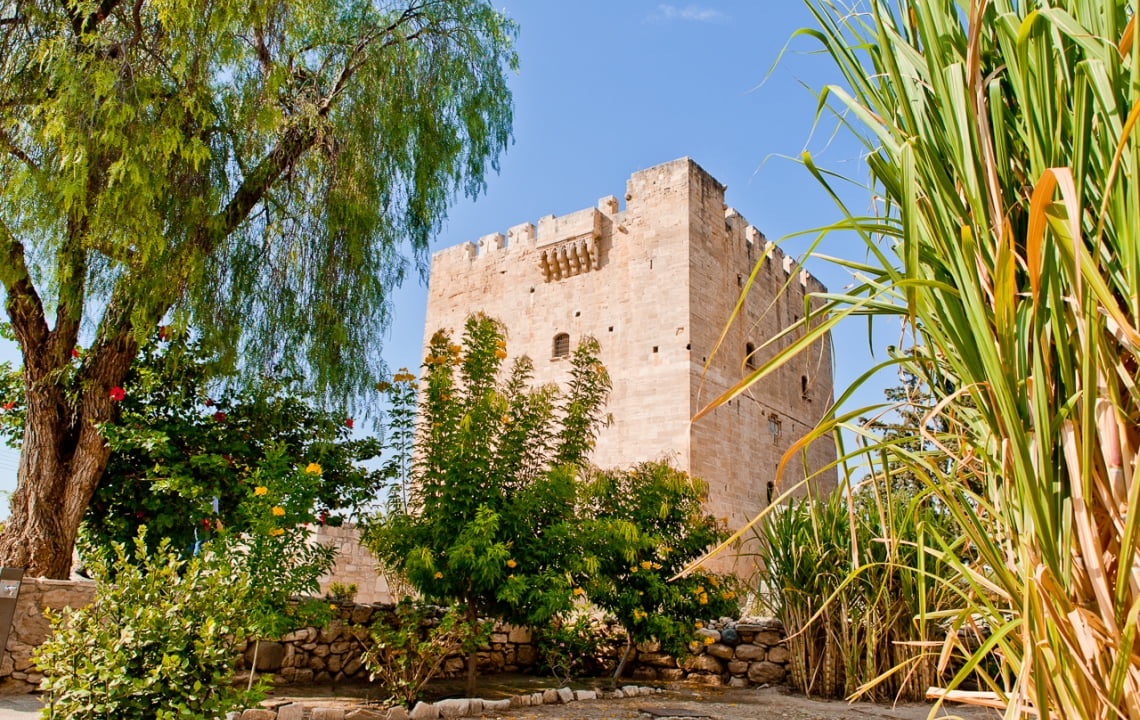

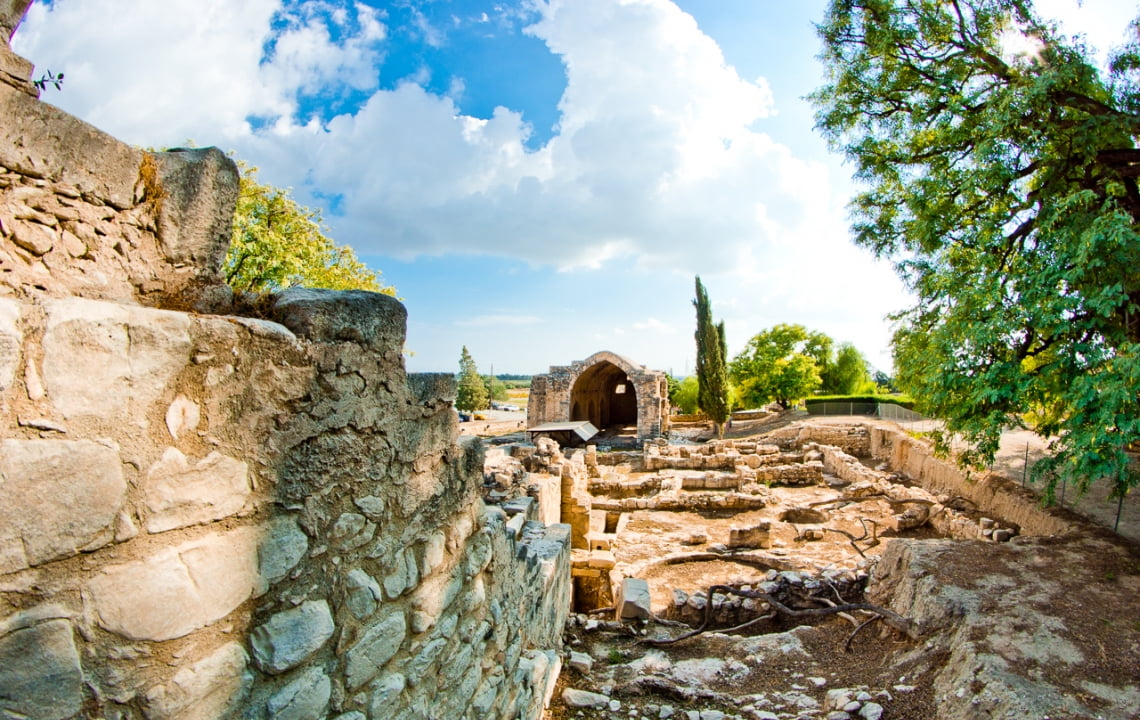
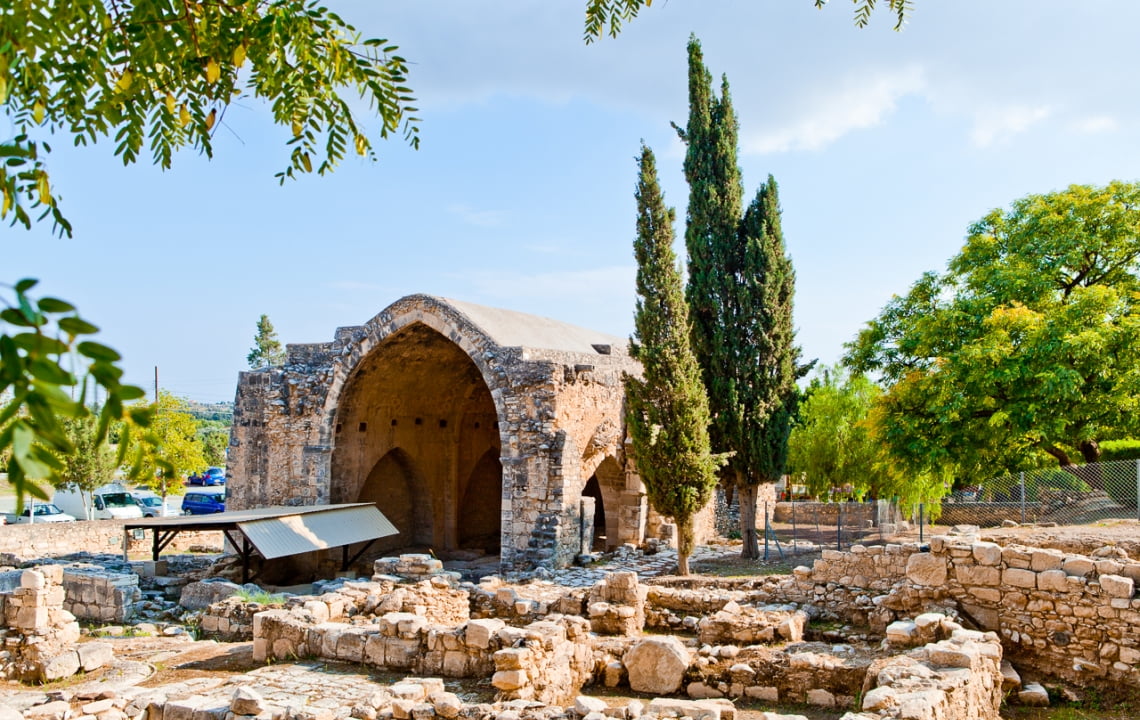
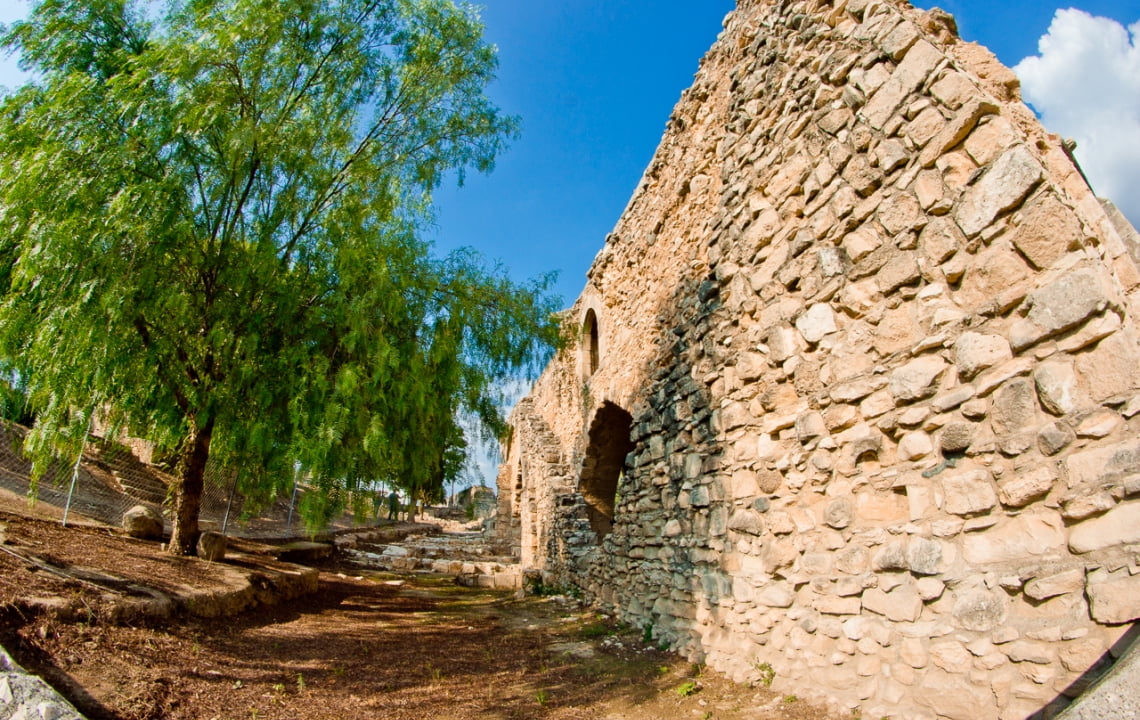
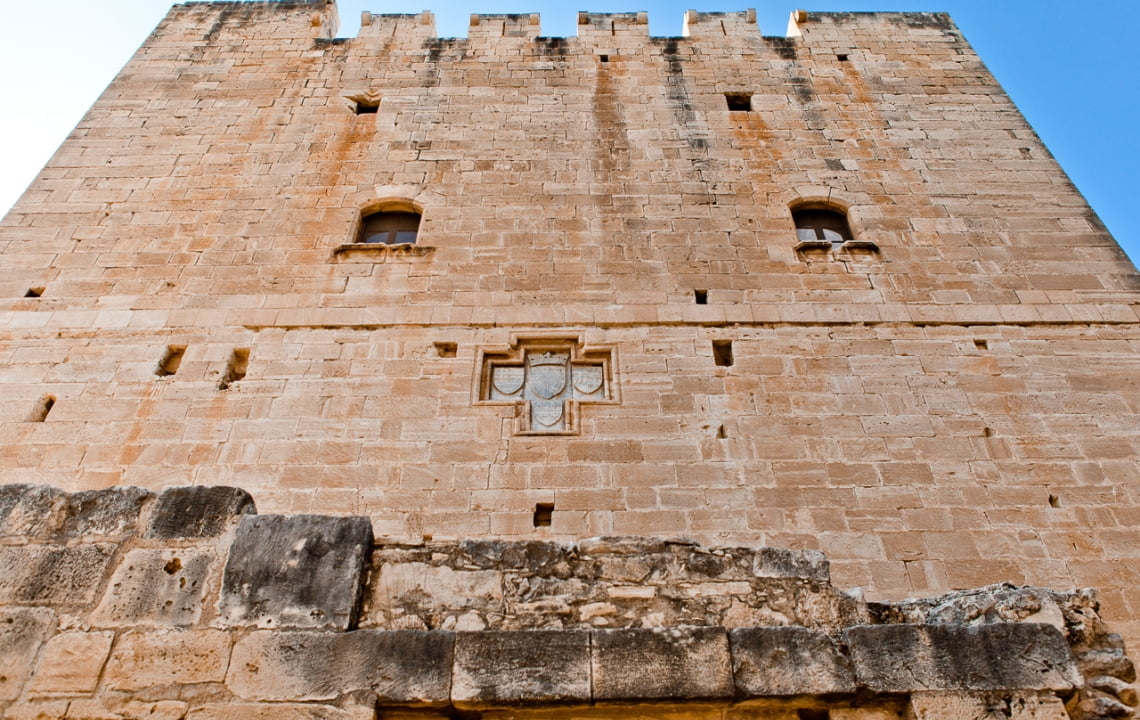
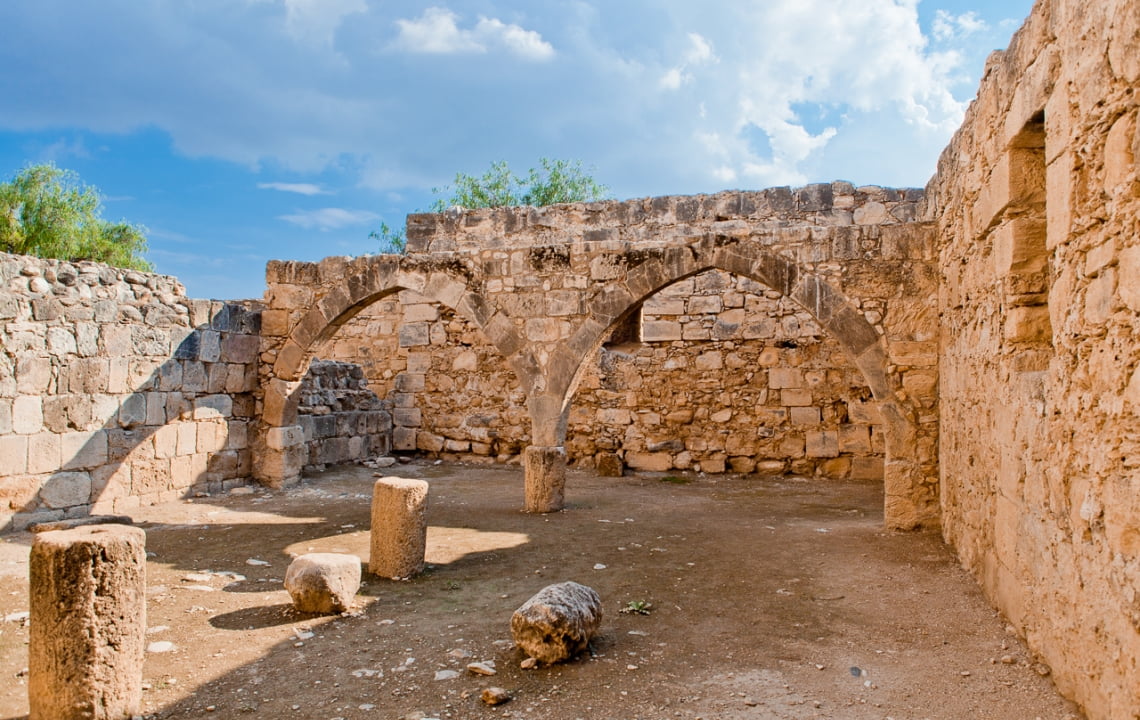
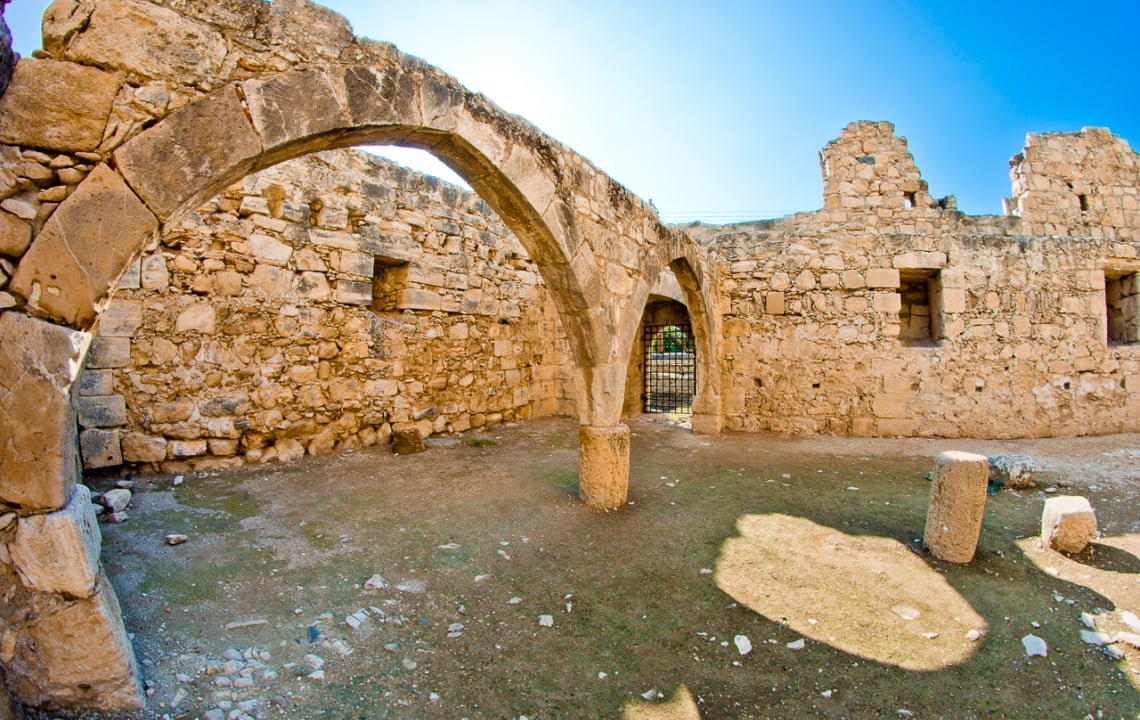

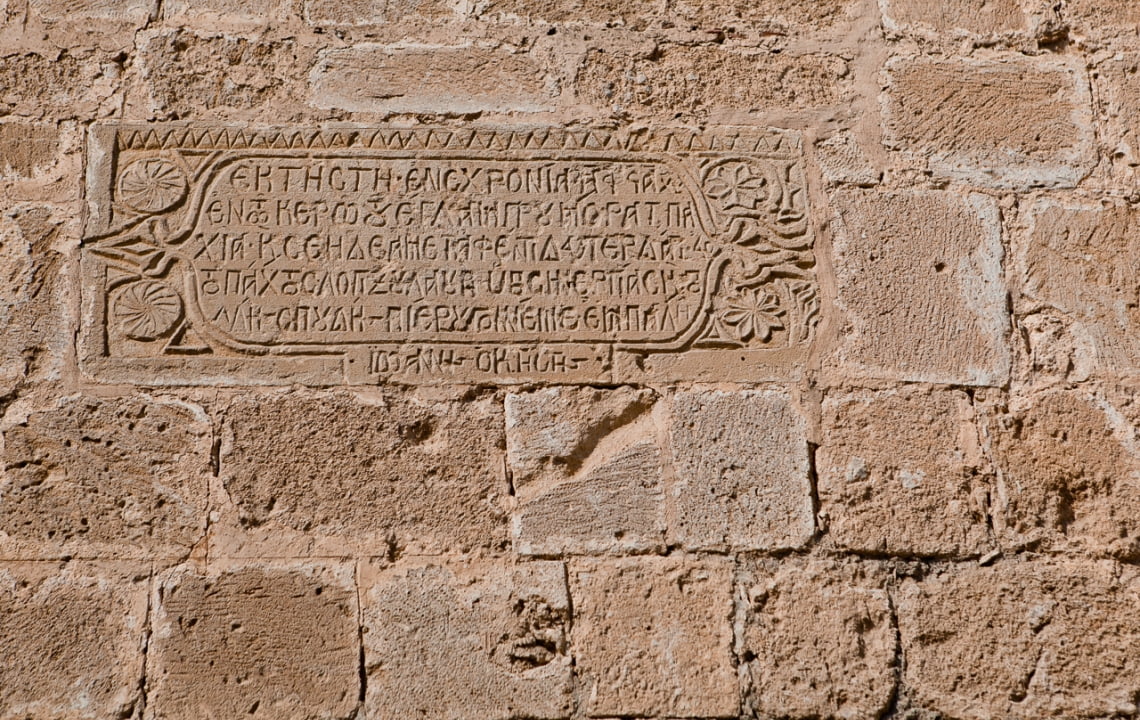
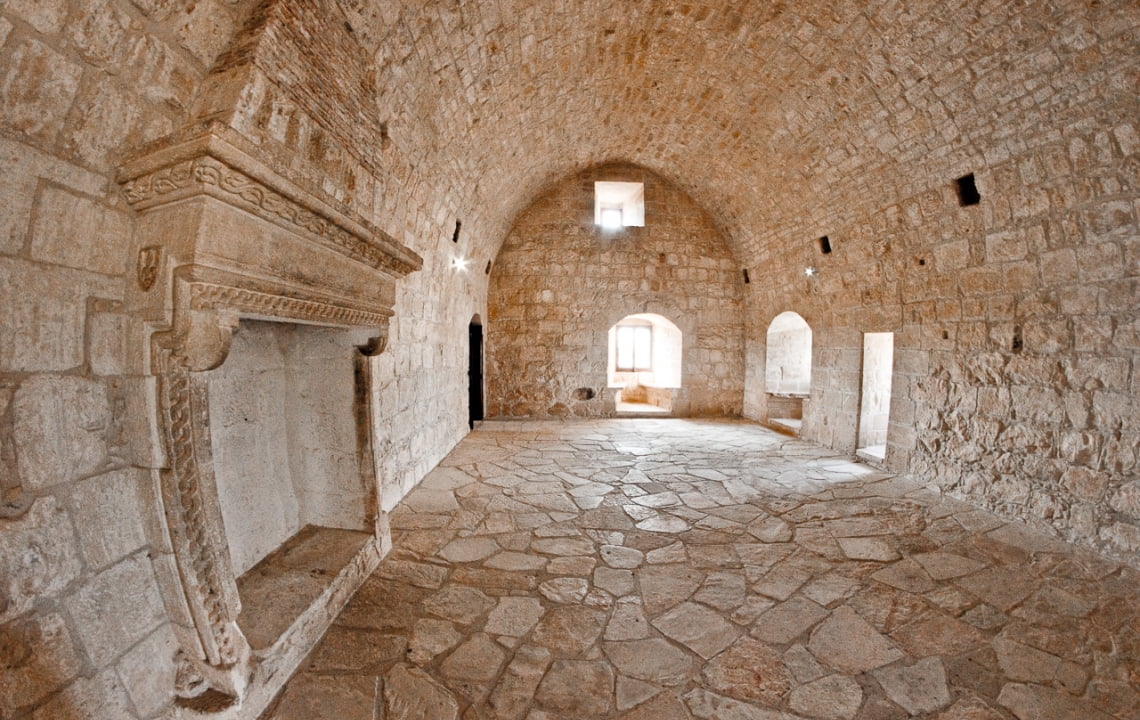
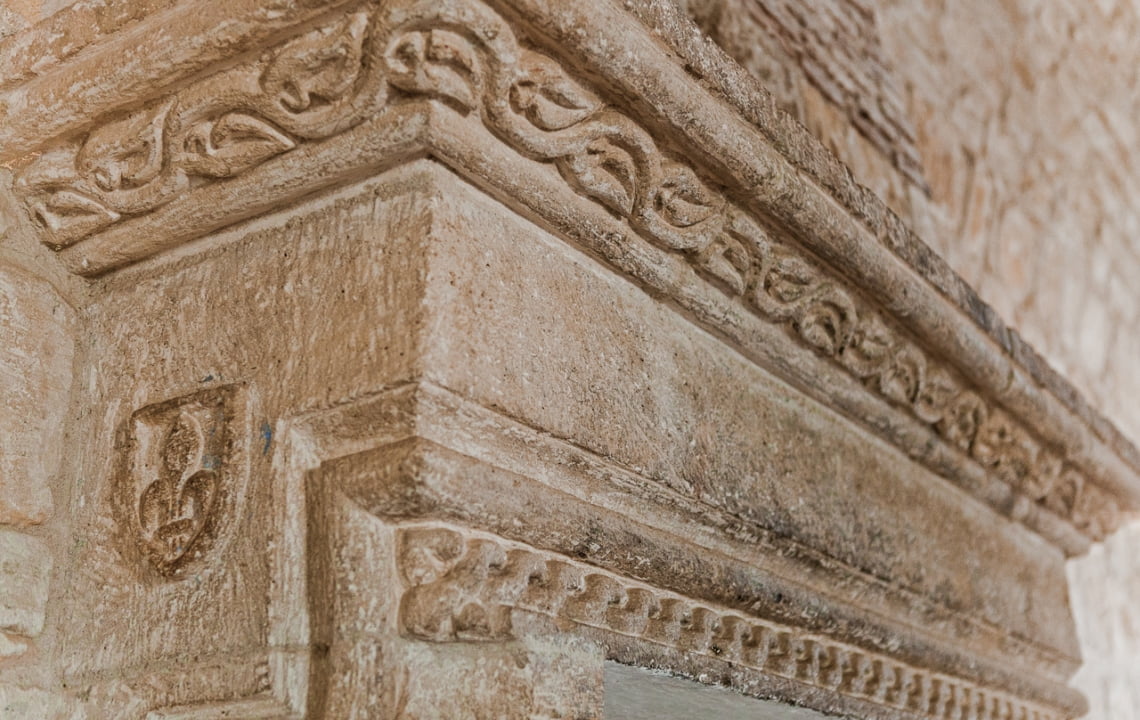
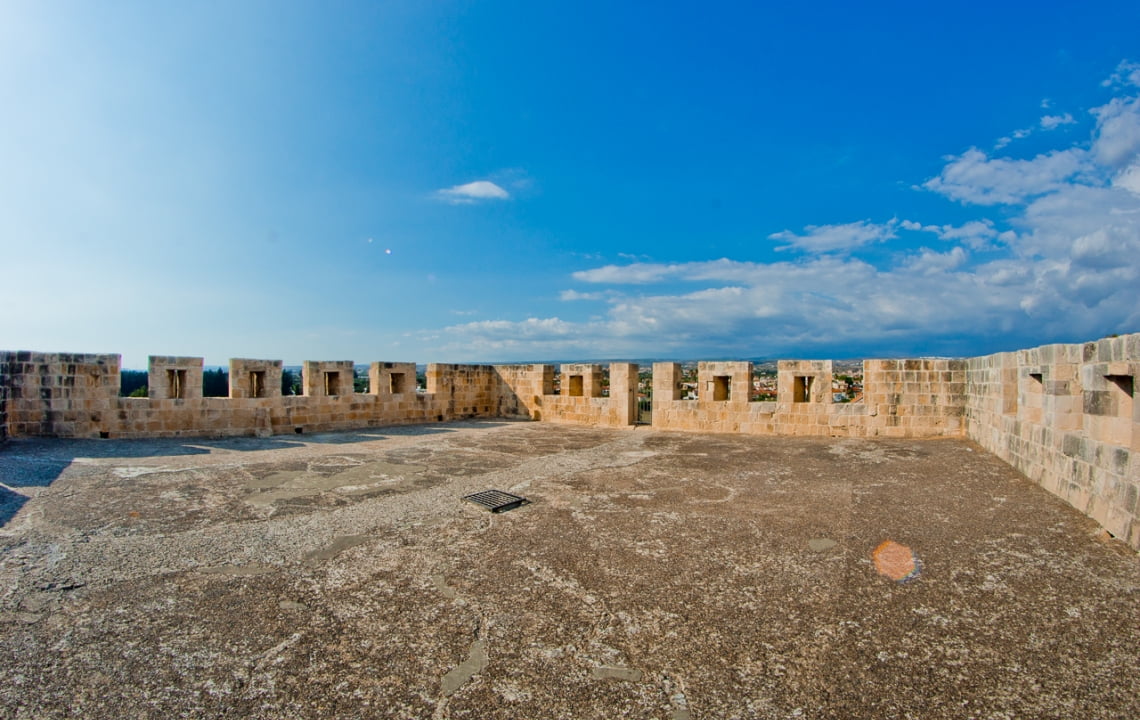
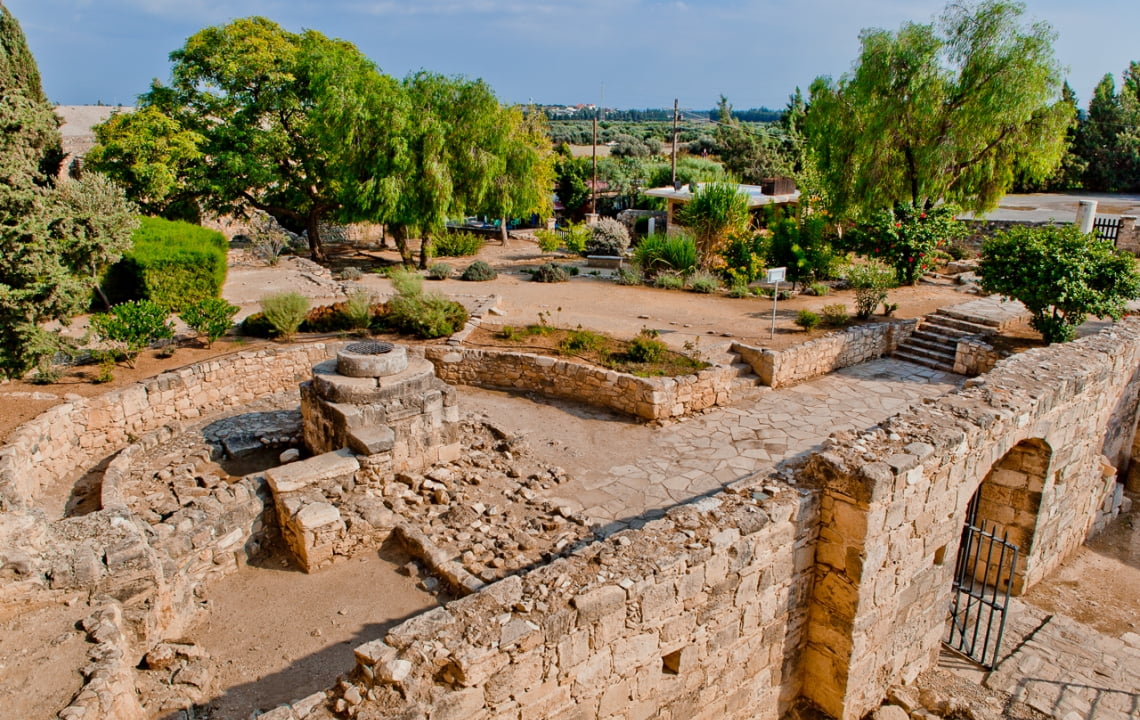
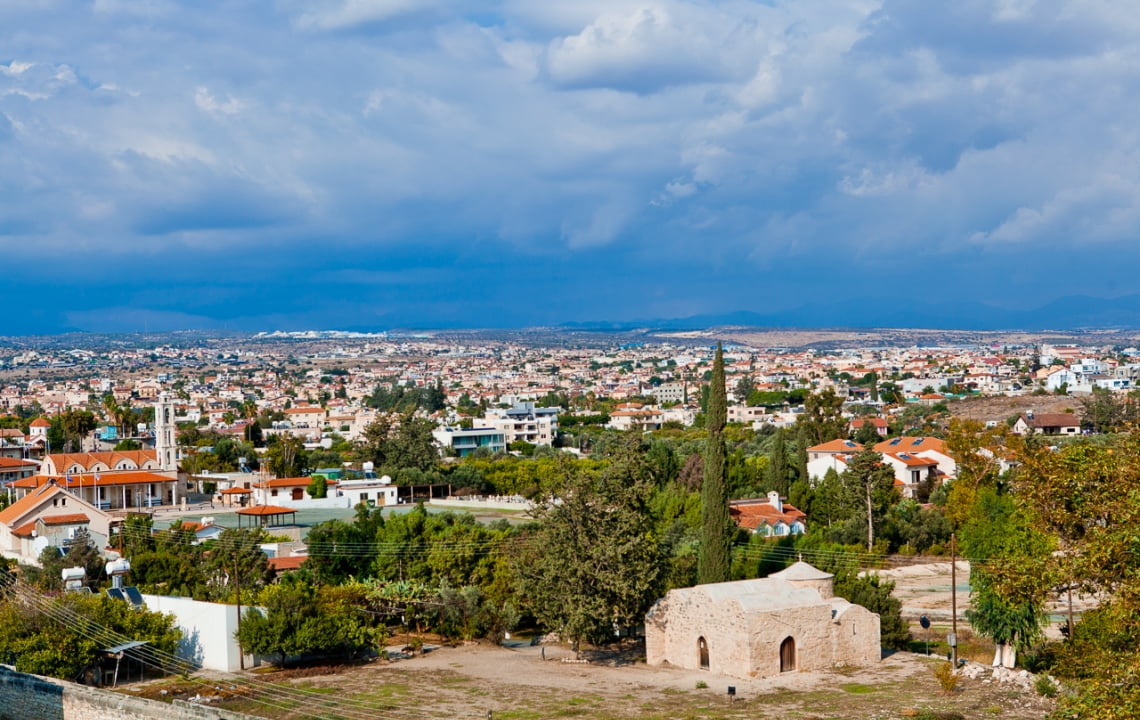
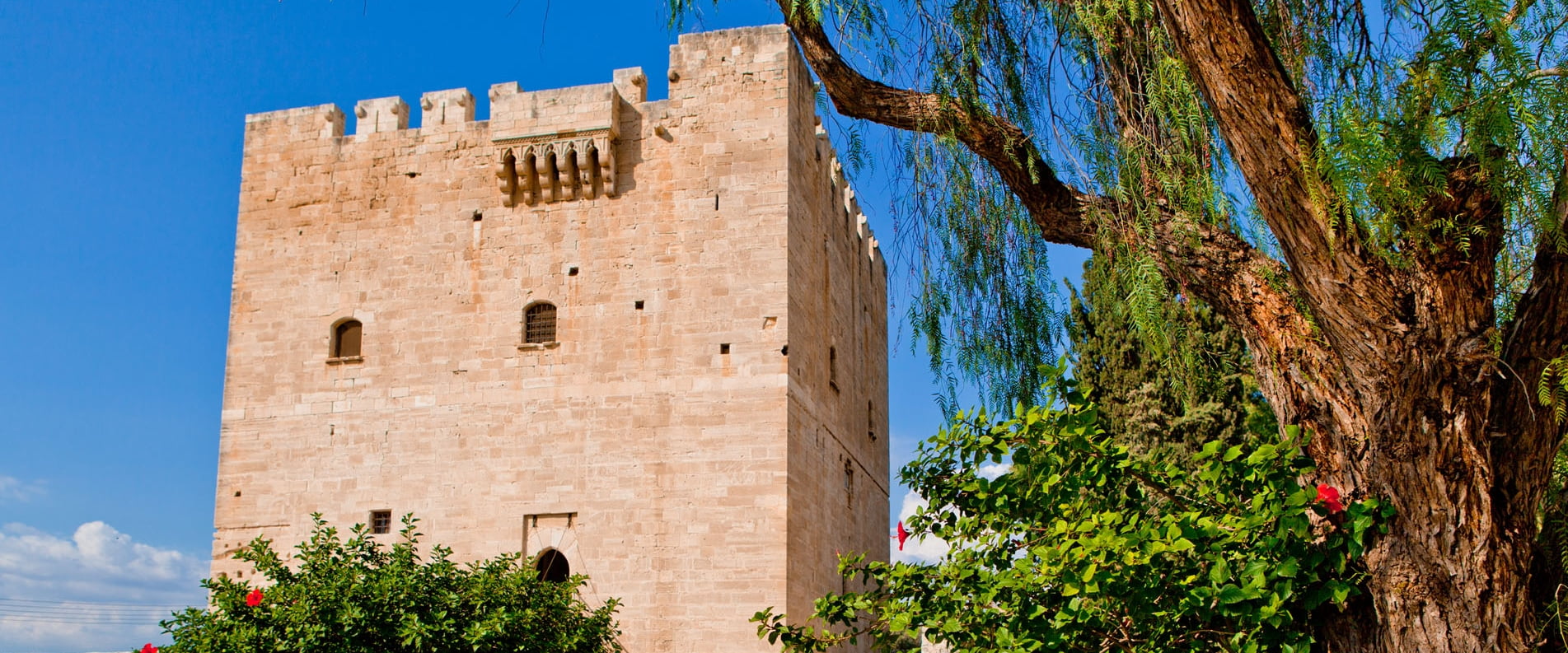
Colossi castle was built in this period, in the year 1210. Situated to the west of Limassol en route to Paphos, the fortress is one of the most important monuments to Frankish rule and has undergone several reconstructions over the years, still superbly preserving its appearance. The castle, with a tower reaching 22 metres in height, is surrounded by a garden filled with acacias and cypresses, which are as old as Colossi itself. The coat of arms of the Lusignan dynasty — a lion — has survived to this day on the eastern fortress wall . You can also notice emblems which personified the royal authority of the dynasty in Jerusalem, Cyprus and Armenia, as well as the seal of the Knights Hospitaller. In the same place, as well as on an open hearth inside the castle, there is a three petalled lily symbolising the rule of Ludvig von Maniac.
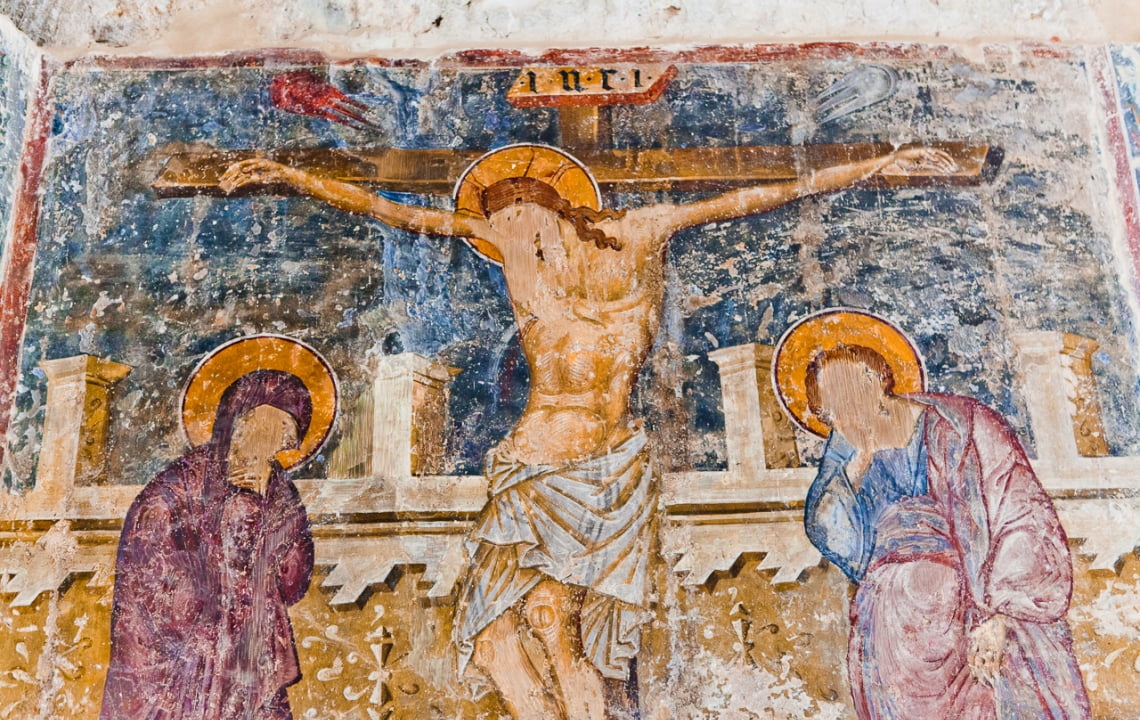
The well-preserved fresco, decorating a wall on the castle’s second floor, is particularly eye-catching: it features the plot of the crucifixion and has been fashioned in a 15th-century style. Nearby stands a spiral staircase leading to the third floor and a viewing platform with a vista of the castle surroundings. The Knights Hospitallers, who settled in the castle in the late 13th century, spent their time at the fortress cultivating sugar cane and vines. A sugar factory has remained on the castle complex, which is still in excellent condition. Colossi Castle is namely considered the birthplace of the famous Cypriot wine Kommandaria.
Photography by Daria Saulskaia