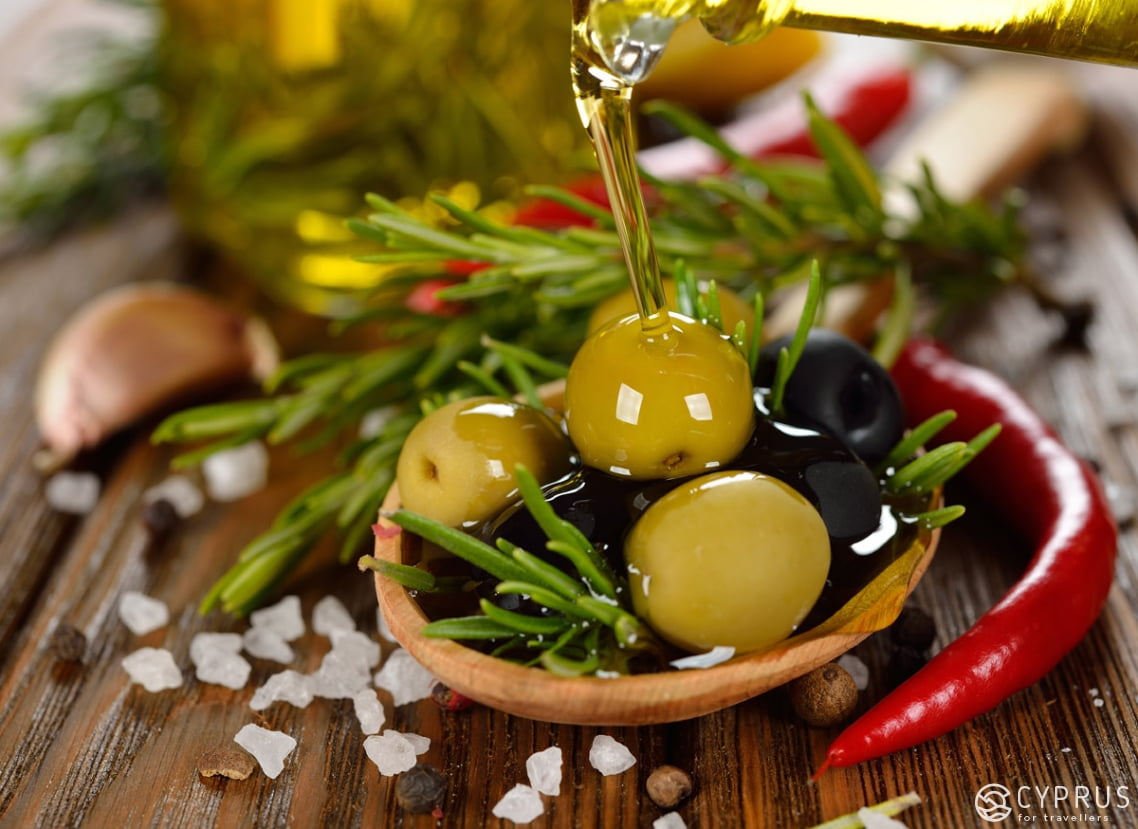
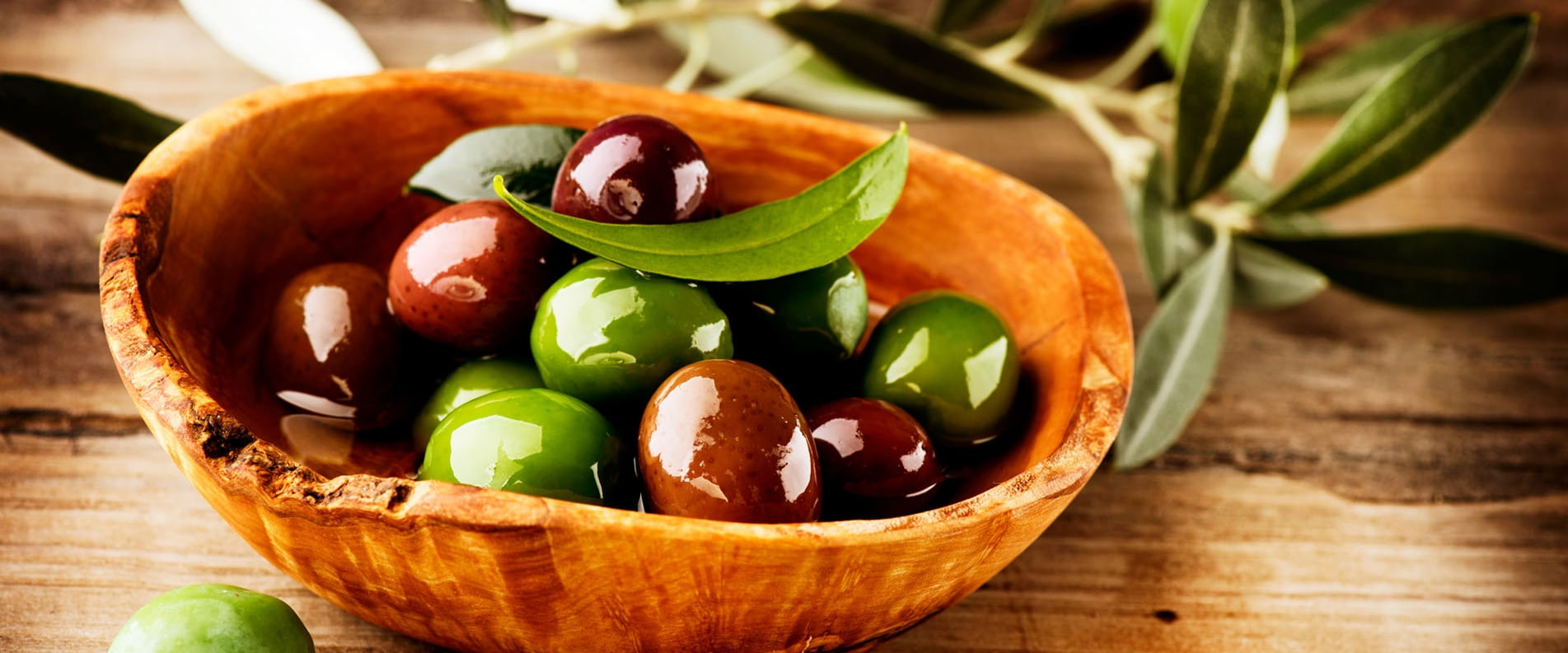

Olives, olive oils and associated goods are probably the most popular gifts that tourists bring home from Cyprus. And this is not surprising: olives have been cultivated on the island since ancient times, and at the beginning of the 20th century the British founded 6 new olive farms that provided quick expansion of olive cultivars.
Why are olives so good and healthy and how to use them in the culinary art and cosmetology? Read our review to learn more about the «Cyprus gold».
Interesting facts
The national flag of Cyprus features two crossed olive branches (a symbol of peace), and the coat of arms of the island depicts a dove carrying an olive branch (according to the well-known Biblical legend, Noah knew the Flood was over when he saw the dove with an olive branch). Additionally, the olive tree is believed to be the first to grow on the Earth after the Flood.
Wild olives have been cultivated in Cyprus since ancient times, but today olive cultivars make 80% of all the olive trees growing on the island. Every year Cypriots harvest more than 10 thousand tons of olives.
«Olive industry» in Cyprus took a new turn in the beginning of the 20th century, when the British helped to create 6 specialised farms where only cultivars olive trees were grown.
The oldest Cypriot olive tree can be found not far from Agia Marina and Xyliatos villages. The sign says that the tree is more than 700 years old, and the tree girth is more than 10 meters. Olive trees are known for their longevity with the life spans up to 2,500 years. And it is easy to imagine that olives can divide their secret of good health and endurance with those who eat or otherwise use them.
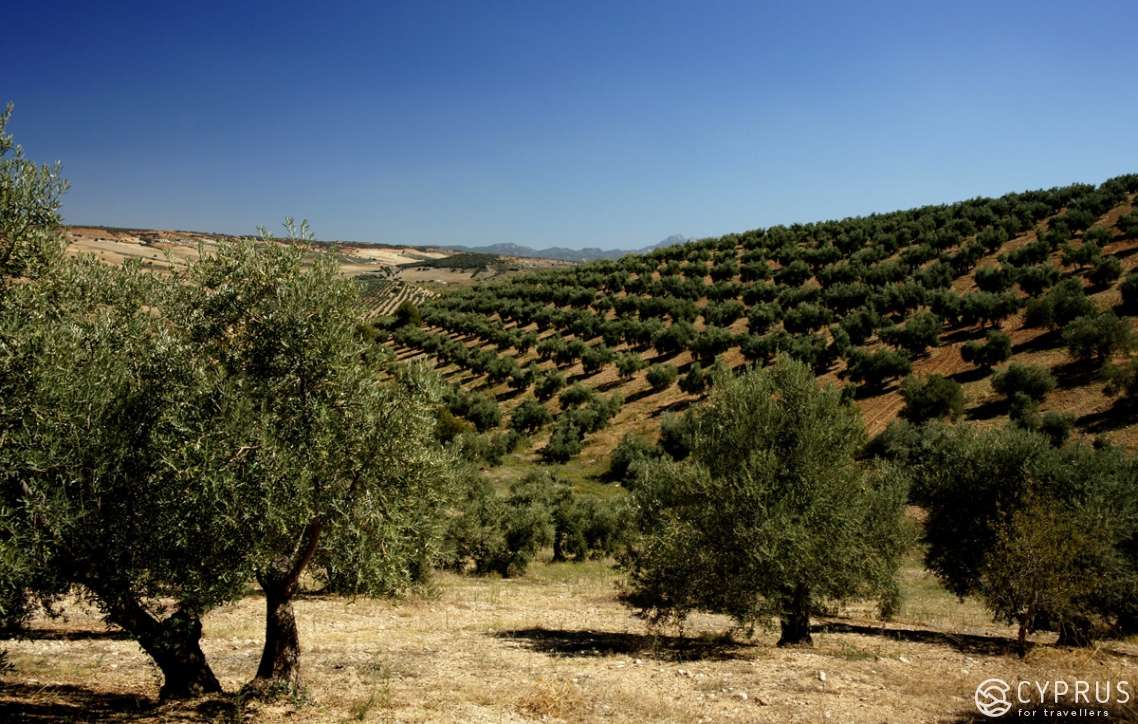
Olive oil production in Cyprus
In ancient times Cypriots used a heavy stone press with a long wooden handle to produce olive oil. A donkey pushed the handle to rotate the millstone, which was crushing fresh olives.
Since then the process has changed dramatically and became completely automated, but the main principle remains unalterable: neither heat, no chemicals are used to produce high quality olive oil.
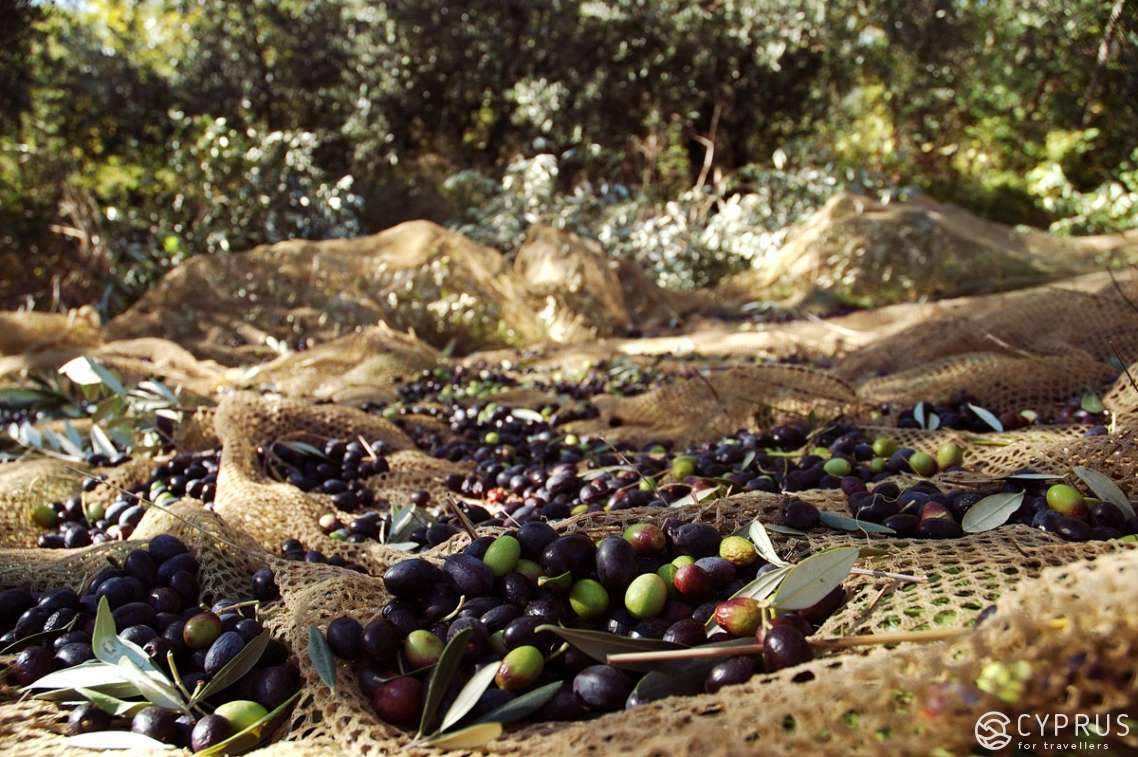
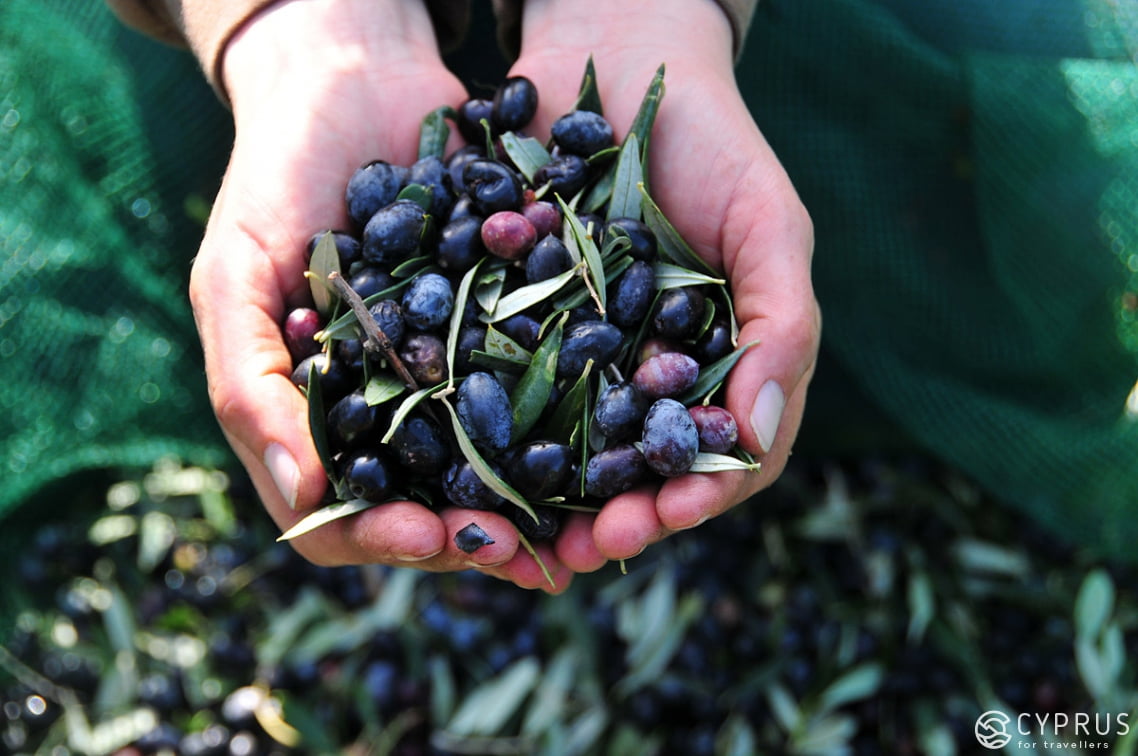
It all starts when fresh olives are getting picked (harvesting season in Cyprus lasts from October until January). It can be done manually or with the help of a special machine which gently shakes the tree, making the olives fall down on the covers. Then picked olives are transferred to the factory where they are cleaned, washed and ground in a special millstone. To make the following operations easier, ground olives are mixed with water: the liquid flows to the centrifuge where the mass is divided into oil, water and so-called «oil cake».
After filtration olive oil is poured into bottles. This is how «extra virgin oil» is produced. This type of olive oil is both high quality and tasty, and we recommend to look for this sticker in a store.
The «Virgin olive oil» sticker means that the acidity level is higher than 0,8%. If you see the bottle the sticker on which humbly states «Olive oil» be ready to find a refined oil inside. «Olive-pomace oil» (the product that went through heat treating) and «Lampante Olive oil» are low quality oils, please avoid using them for cooking.
5 kilograms of olives usually give about 1 liter of olive oil, and the process takes not less than 3 hours. A lot of oil factories in Cyprus are open for visitors, which provides guests of the island with a wonderful opportunity to watch the olive oil that they will take home being produced.
Why olives and olive oil are good for your health
Olive oil is widely used not only in culinary but also in medicine and cosmetology.
High in monounsaturated fatty acids, it improves the digestive system. It is also believed that olive oil helps to strengthen blood vessels and bone tissue, speed metabolism and even make wounds and burns heal faster. One of the experiments has shown that antioxidants, vitamins A, B, C, D, E, F, K and oleic acid reduce risk of cancerous growth development.
There are people who should be careful and control their consumption of olive oil. For example, being a cholagogue, it may cause a cholecystitis.
Olives in cosmetology
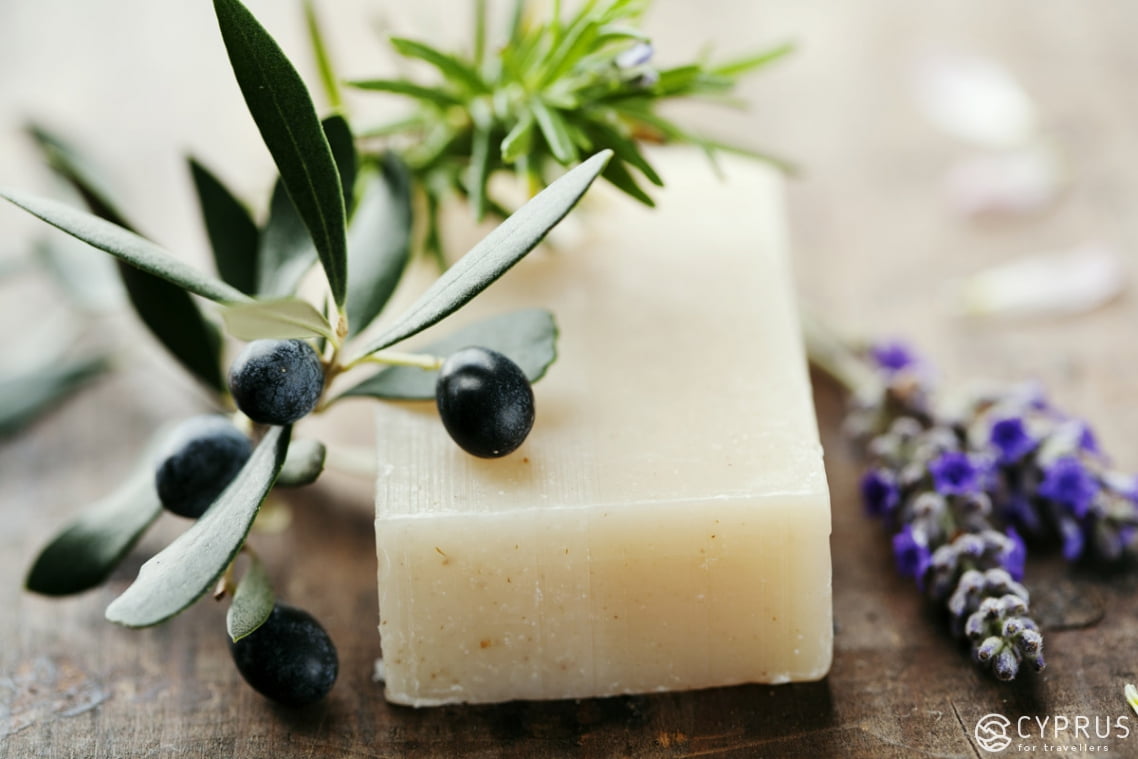
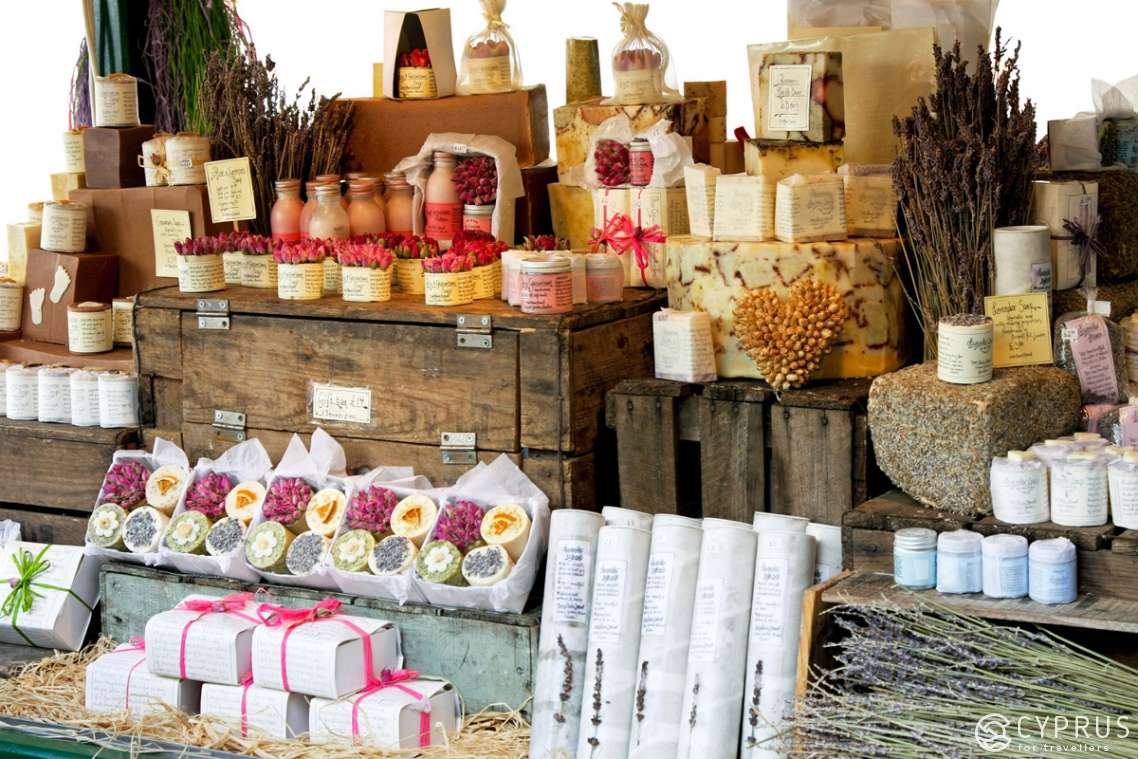
Cosmetics made with olive oil are very popular in Cyprus and outside the island. Soap, moisturizers for hands and feet, shampoos, shower gels, facial masks and many more items can be easily found in every city and town in Cyprus.
Such ingredients as squalene and squalane make skin look years younger and unwrinkle it, while phenols are responsible for smoothness and silkiness. By the way, the first soap with olive oil (mixed with ash and talc) was produced in Ancient Greece.
How to eat olives
Olive oil is widely used in cooking. Sometimes Cypriots just pour it over a toast (yes, it is that tasty). Olives are something Cypriots feel proud of.
Fresh olives are often soaked in salt water at 10ºC for 5 weeks and then left to air for 24 hours. Only after this procedure Cypriots canner or pickle olives of stuff them with vegetables and spices.
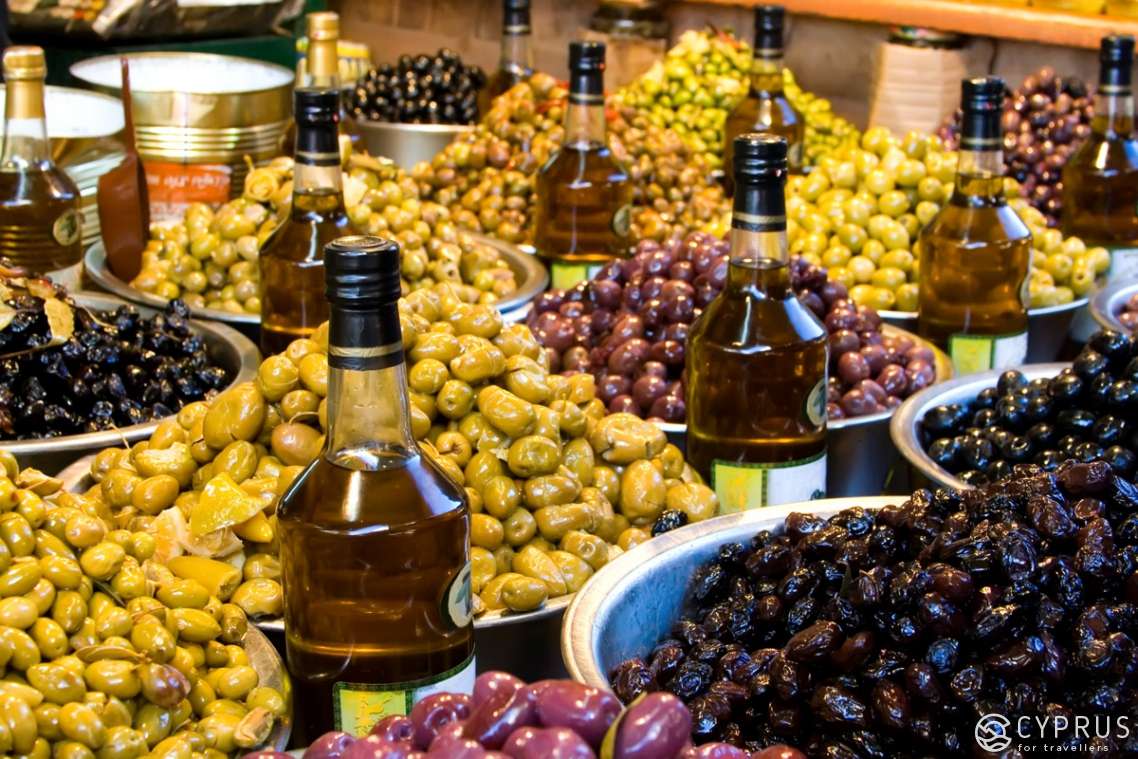
You can buy all sorts of olives almost in any store on the island and order them as an appetizer when you visit a traditional restaurant or a cafe.
Olive bread and pies, baked olives and olive paste are less common but not unusual for Cyprus products that can be easy to fall in love with.