Up to 1960, the carob tree was of huge significance to the Cypriot economy. Its fruit was one of the country’s main agricultural food provisions and often imported fruits, as well as the foods produced from them, were nicknamed “Cypriot black gold”. Despite production relying on precipitation levels, it remained stable and averaged 50,000 tonnes per year, with the number of carob trees totalling two million.
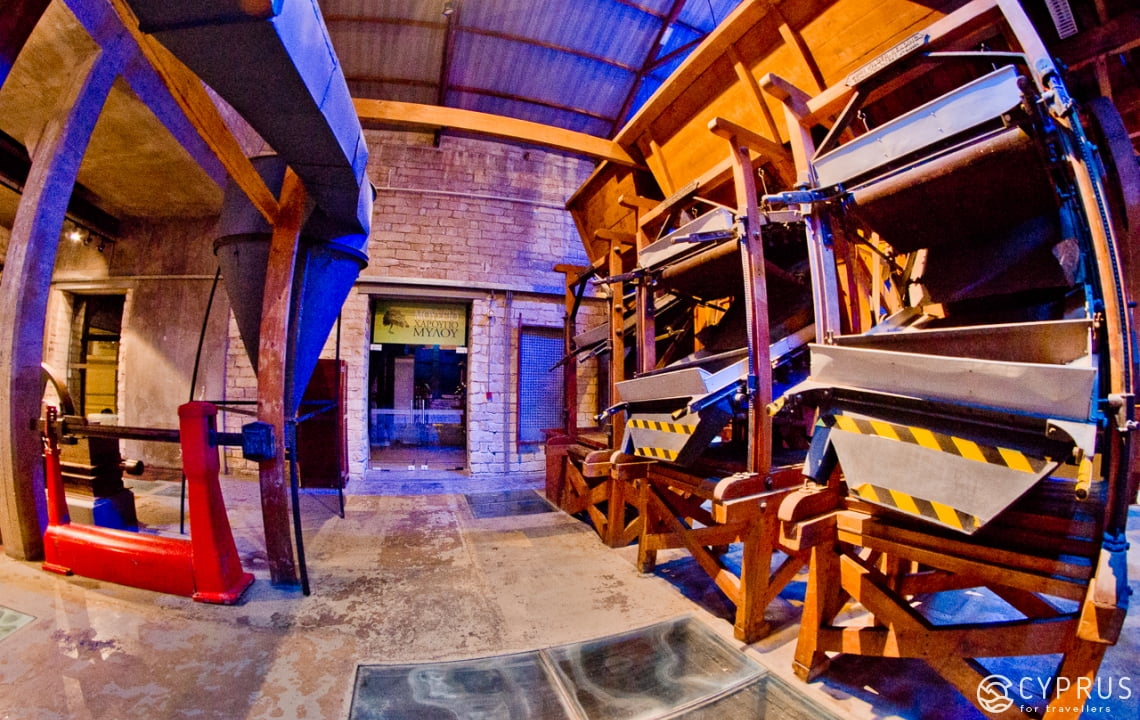
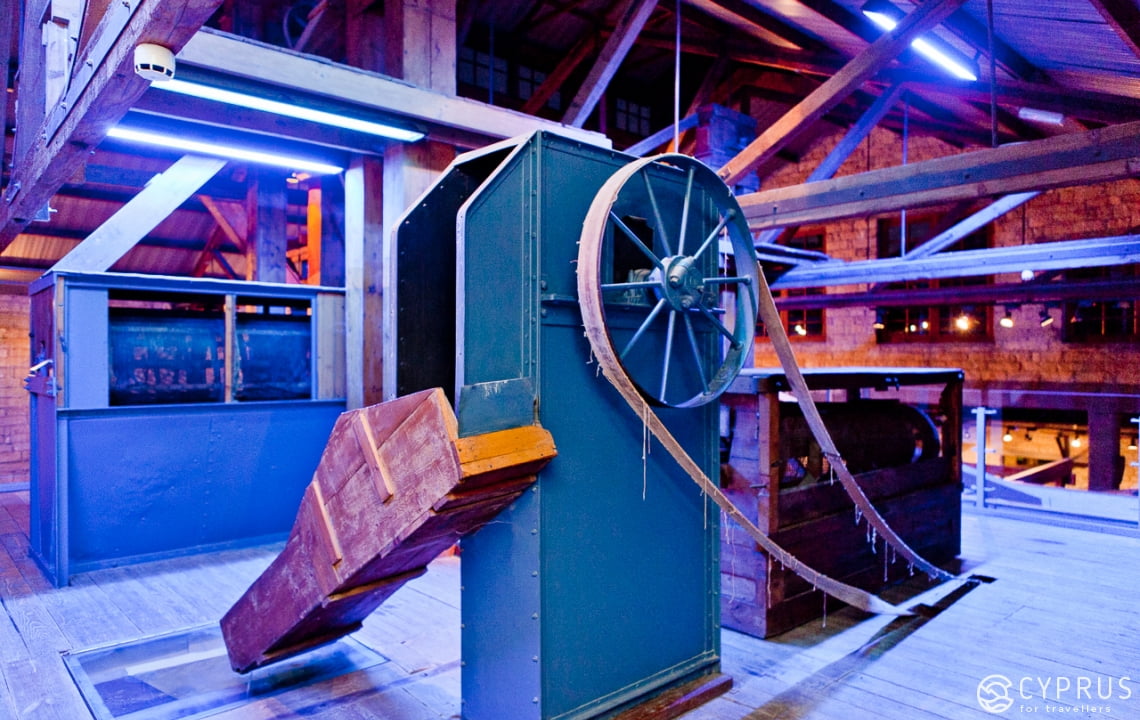
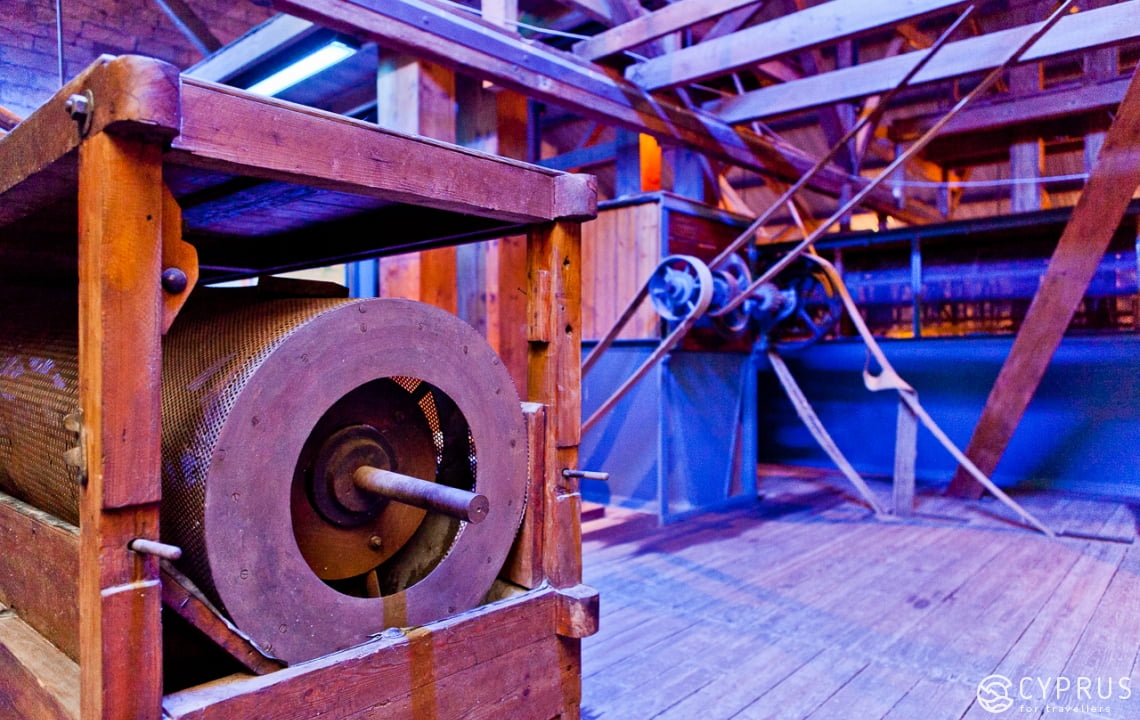
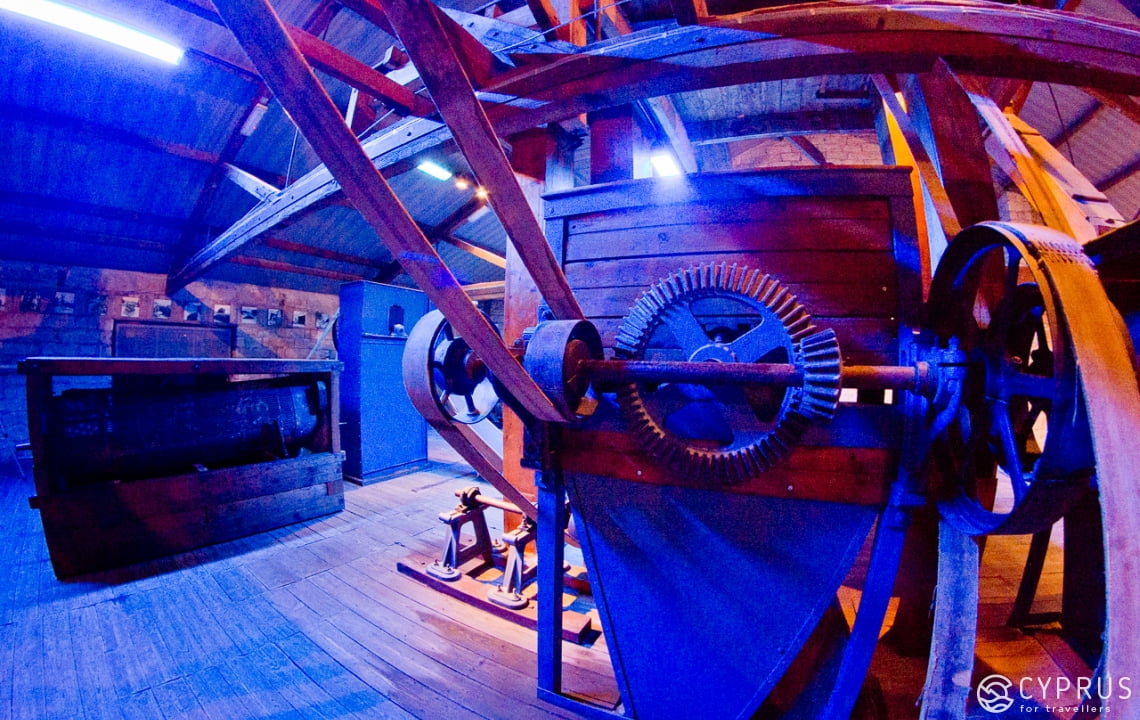

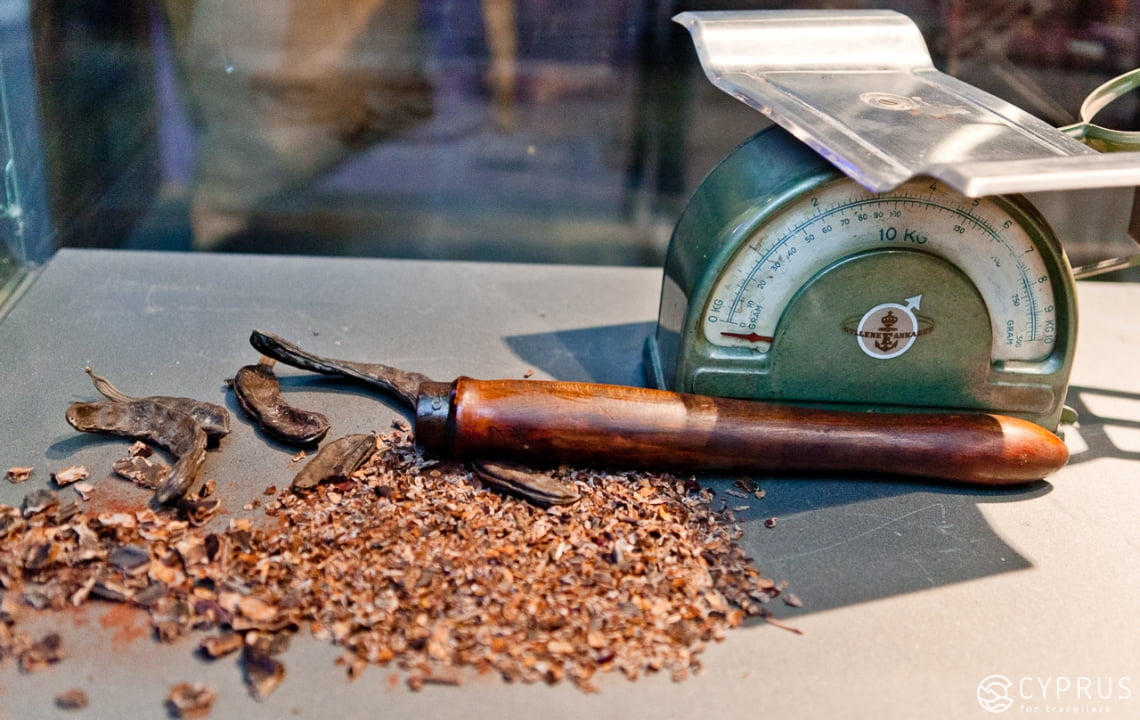
The carob tree, a wide-branching evergreen species from the pea family, produces large, sweet fruit-pods which Mediterranean locals have used since ancient times in baking, as well as to make drinks, compotes, liqueurs and syrups. The powder from the dried fruits is used as a substitute for cacao. Interestingly, the measure of weight “carat”, first used during Roman times, received its name from this particular tree, as the weight of a single carob seed was equal to one carat. The museum lies on the factory premises of the Lanitis family, who were the first to send a shipment of carob fruit to England in 1911 and went on to become the largest carob supplier to Northern Europe, the Balkans and the Mediterranean.
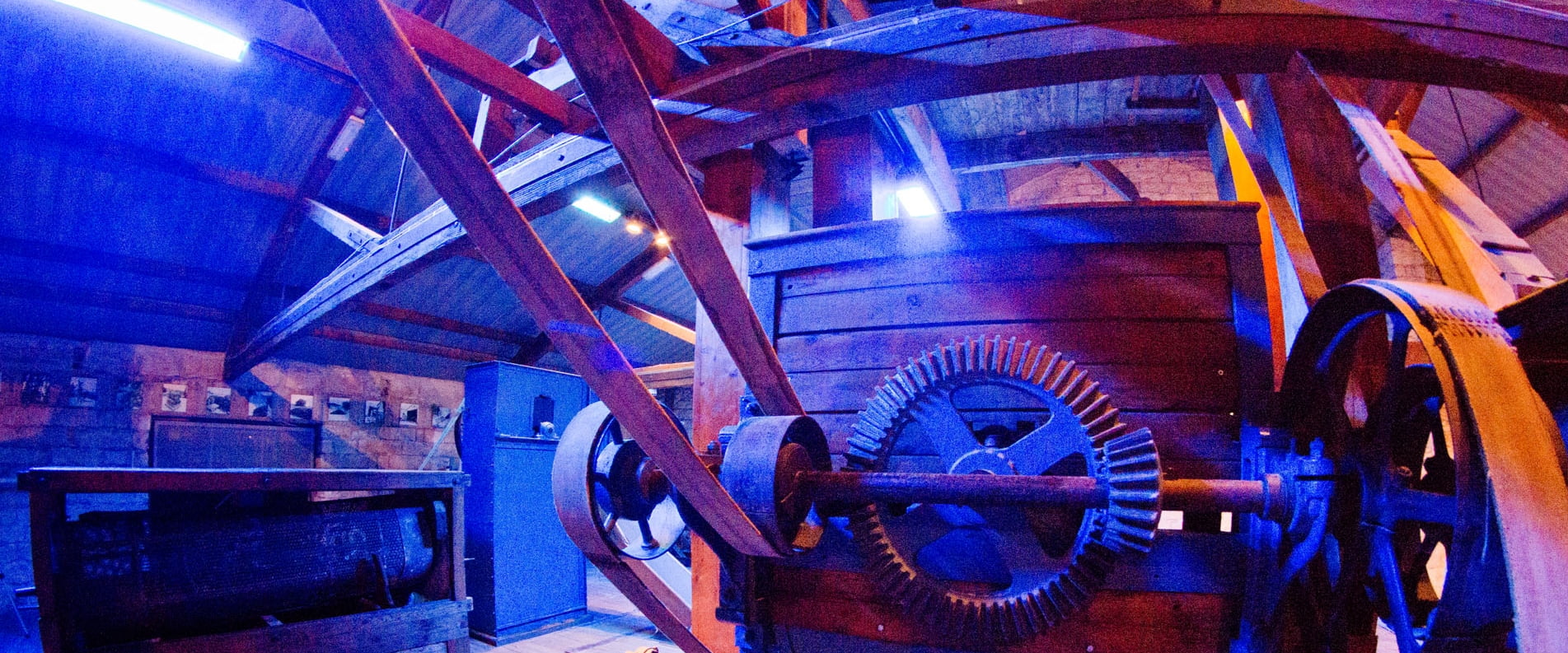
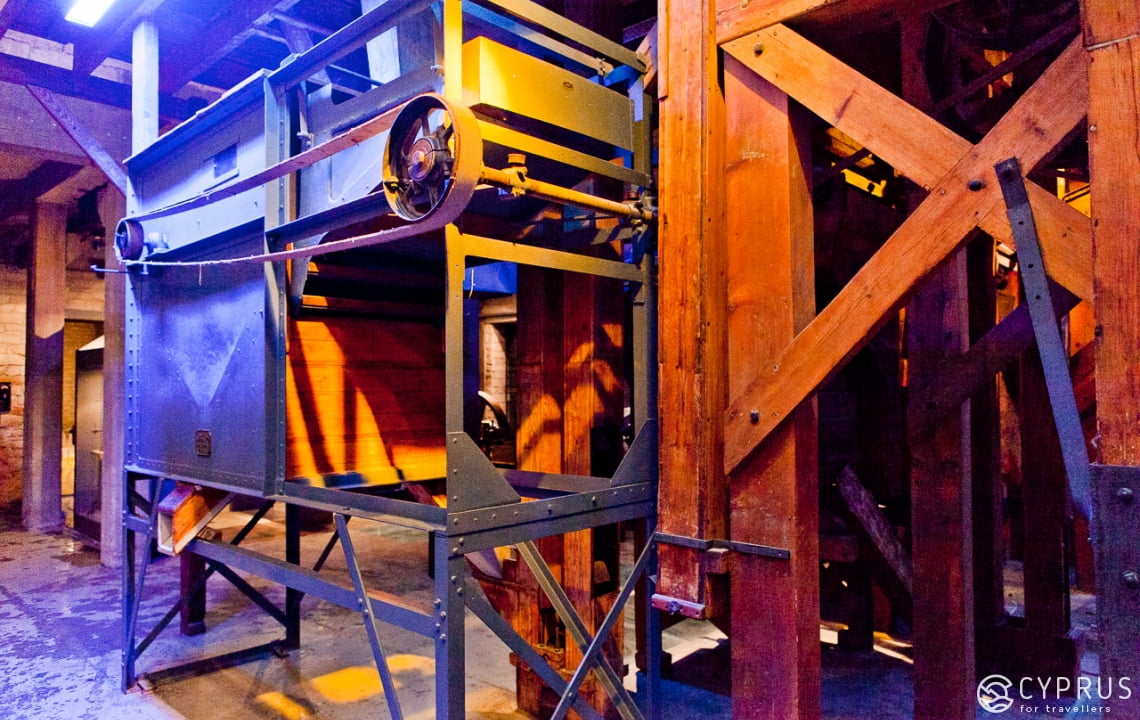
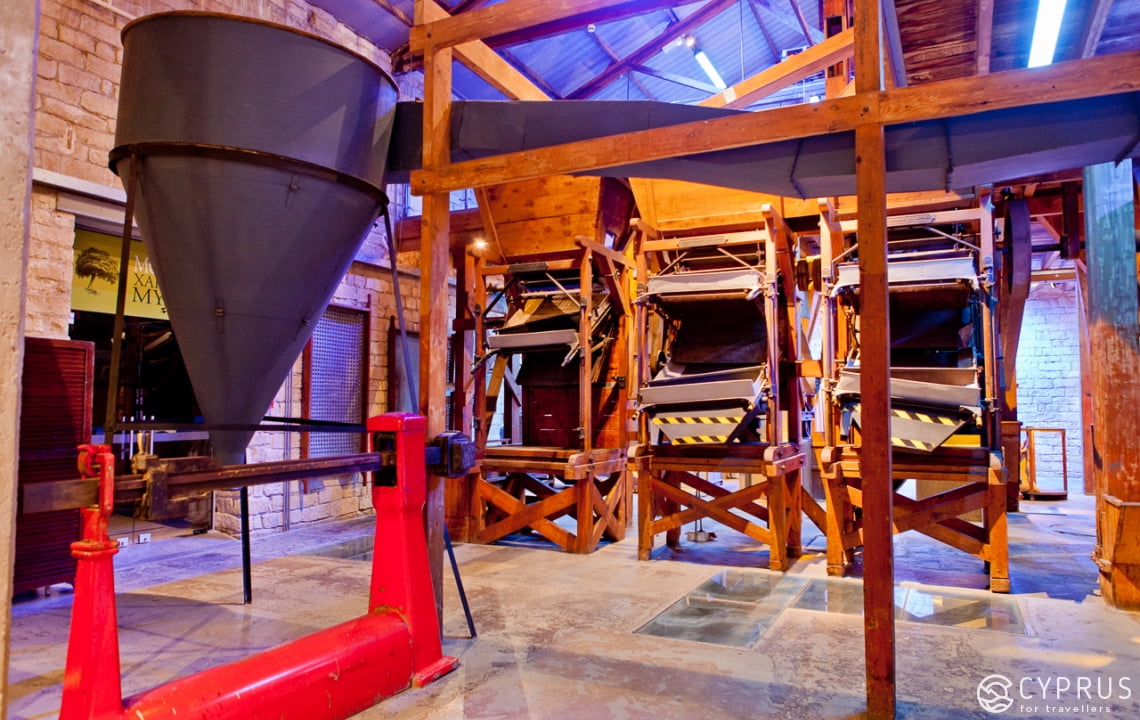
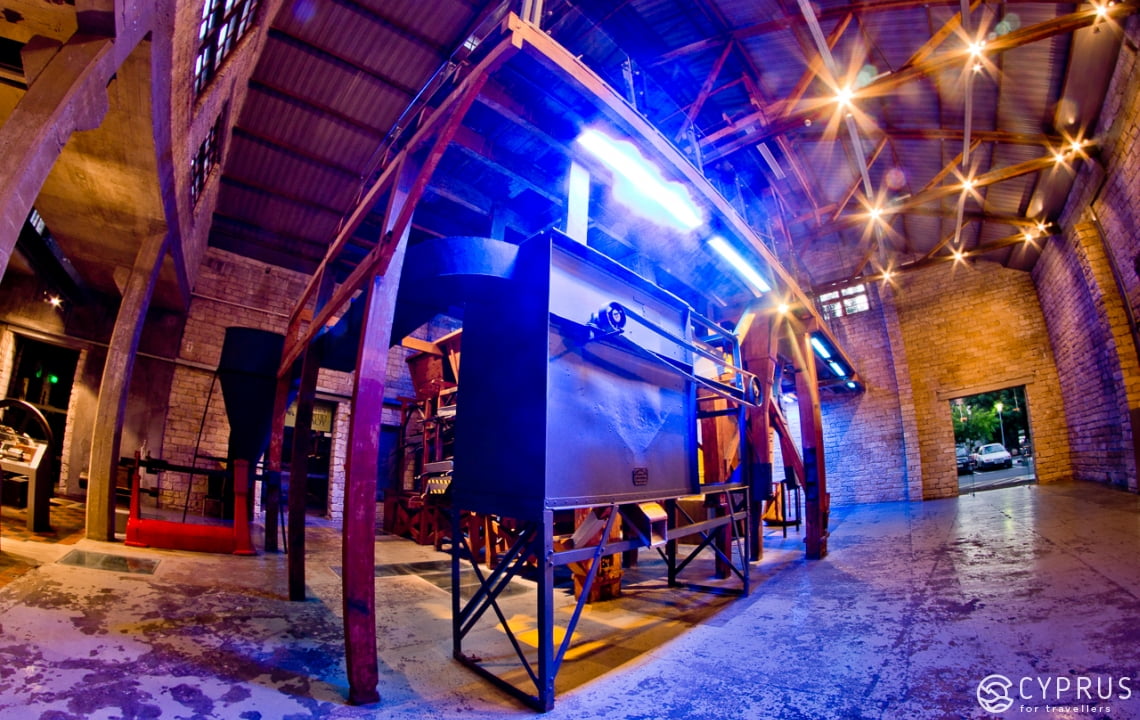
The carob-processing plant was founded in 1937 and divided into three sections. Fruit from the carob was delivered to the south section after which it was cleaned and processed in the middle section — namely where the exhibit is now situated. The plant’s northern section stored ready-made food produce: carob paste used to make chocolate; seeds used for manufacturing camera film and residual raw material which was used as animal feed.
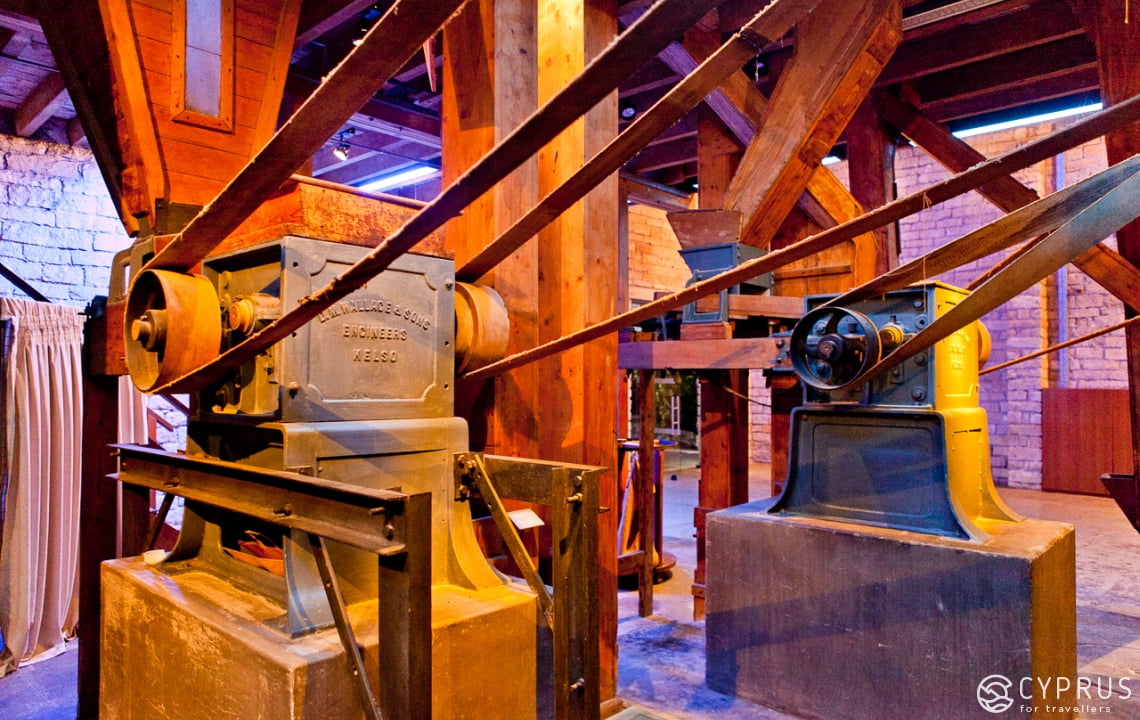
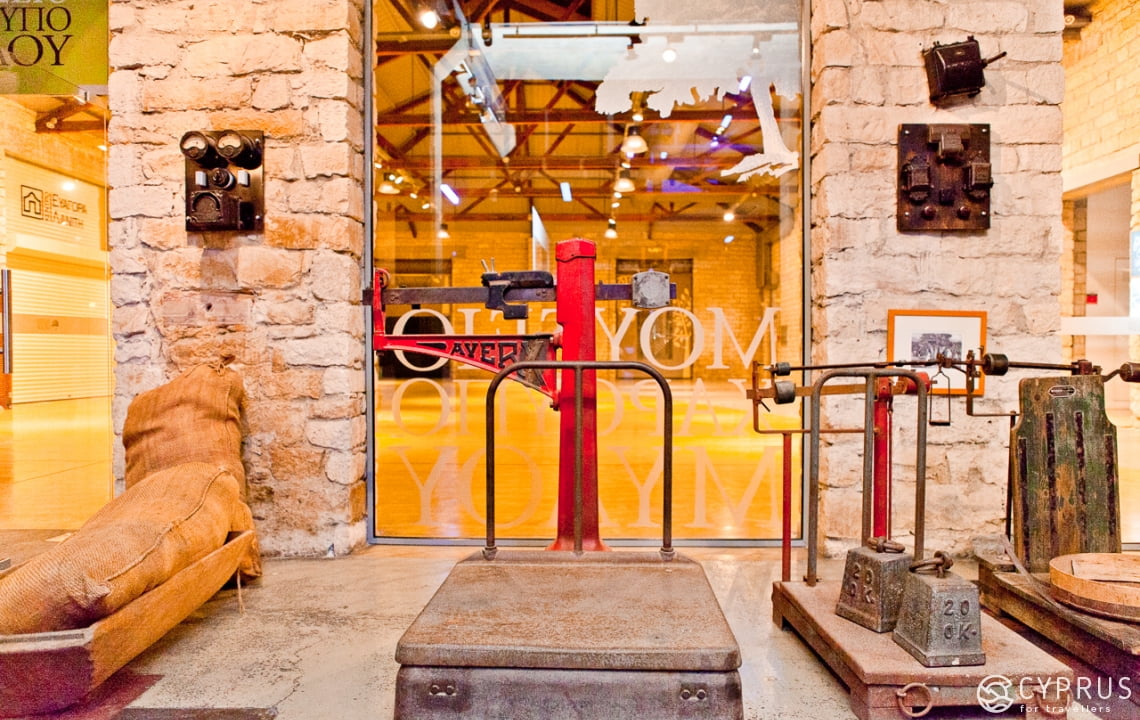
Carob processing occurred as follows: the fruit was weighed on large scales with any unwanted materials being removed. The largest samples were then selected for export. The remaining raw material was then sent for subsequent three-stage processing.
In the 60s, the export of carob produce had lost its significance and a warehouse was built on the factory territory. In the year 2000, it was decided to return the building to its former appearance.
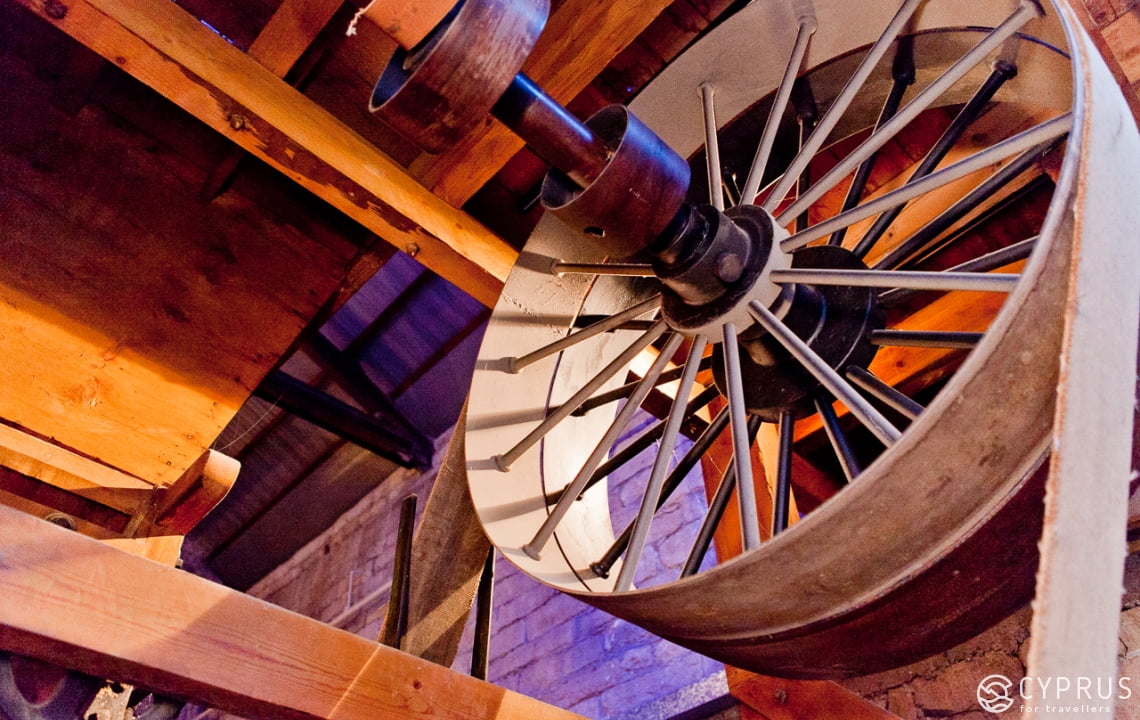
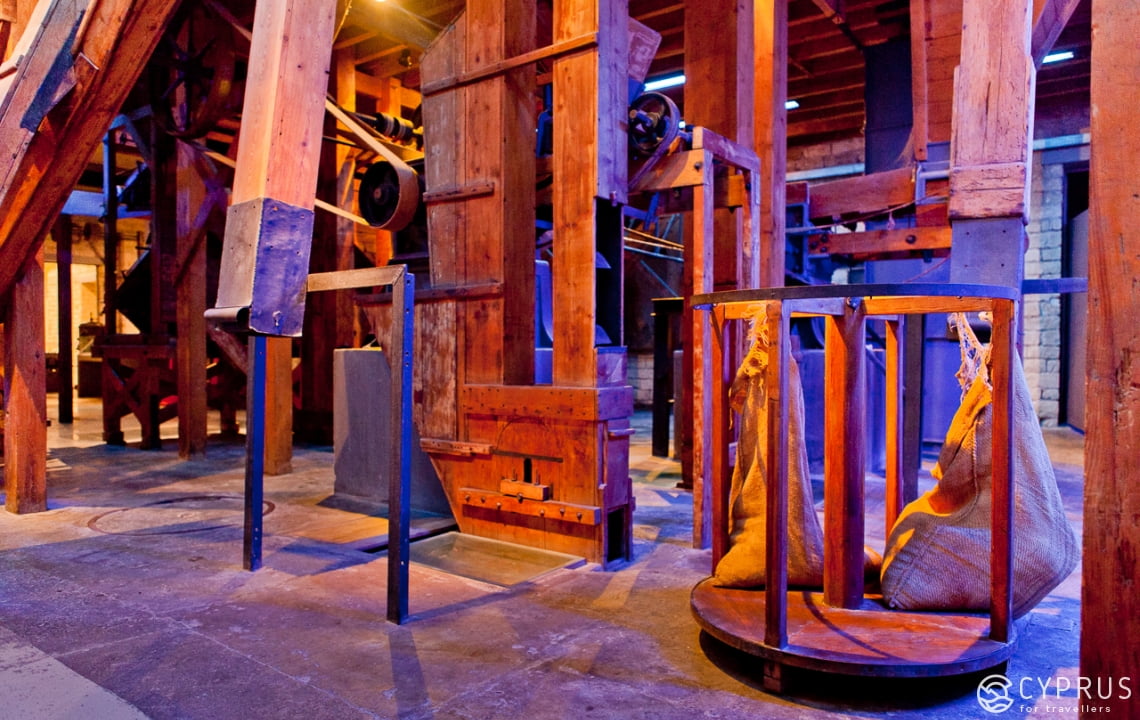
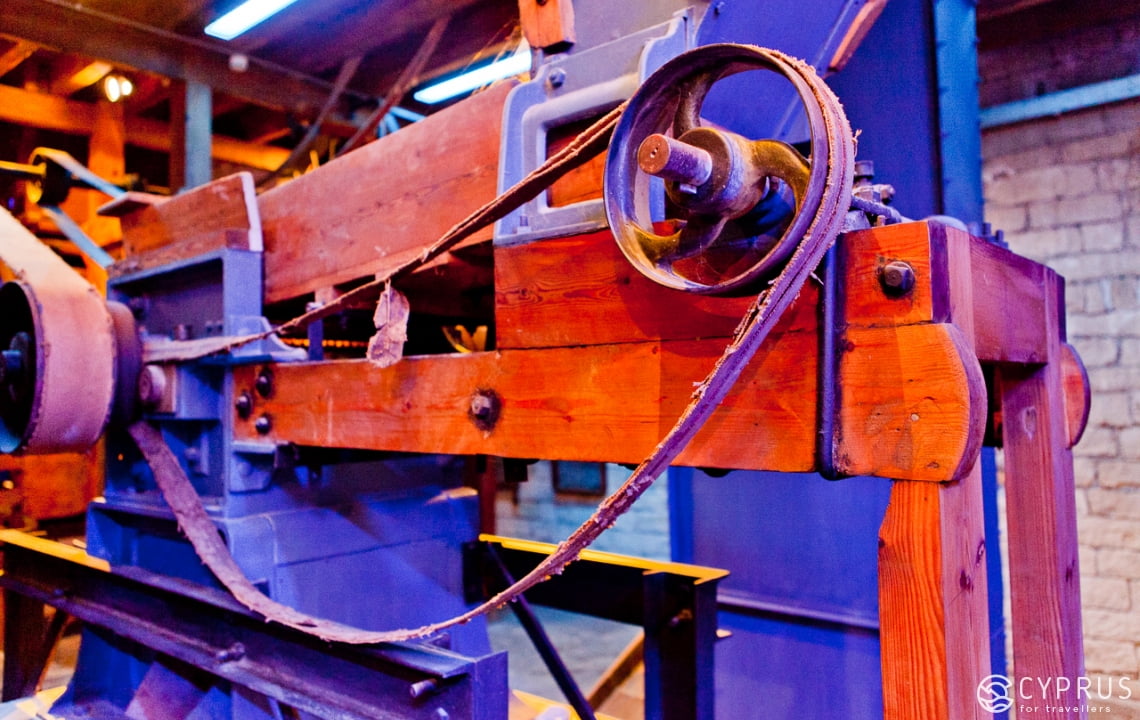
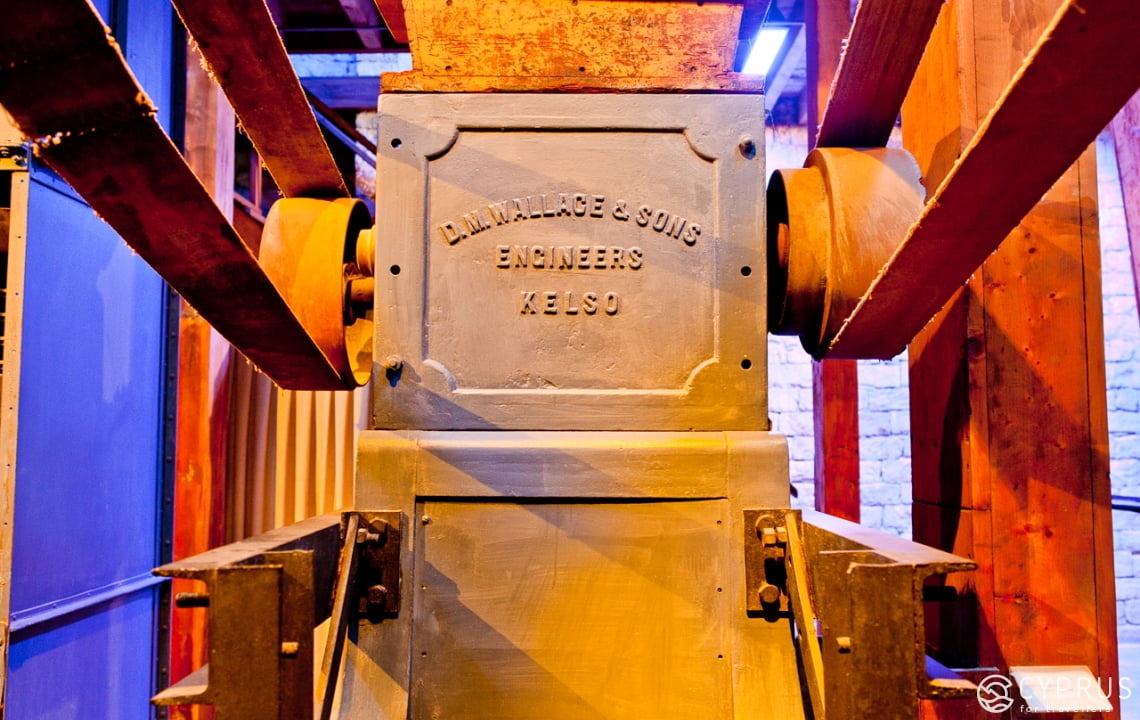
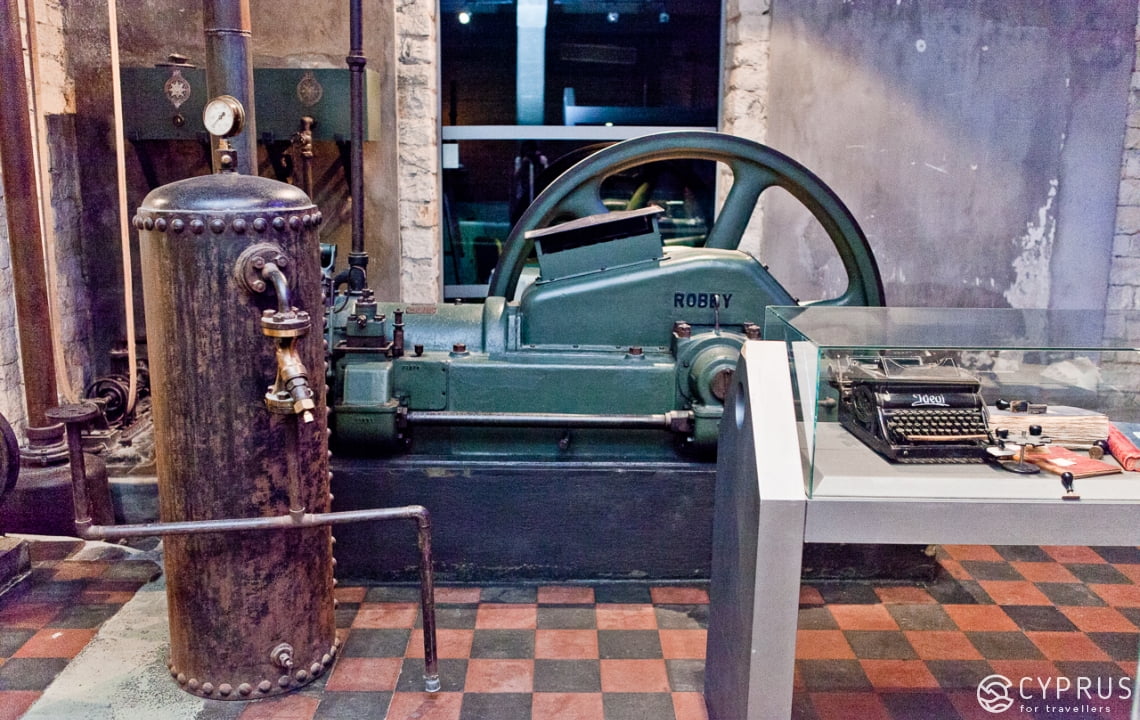
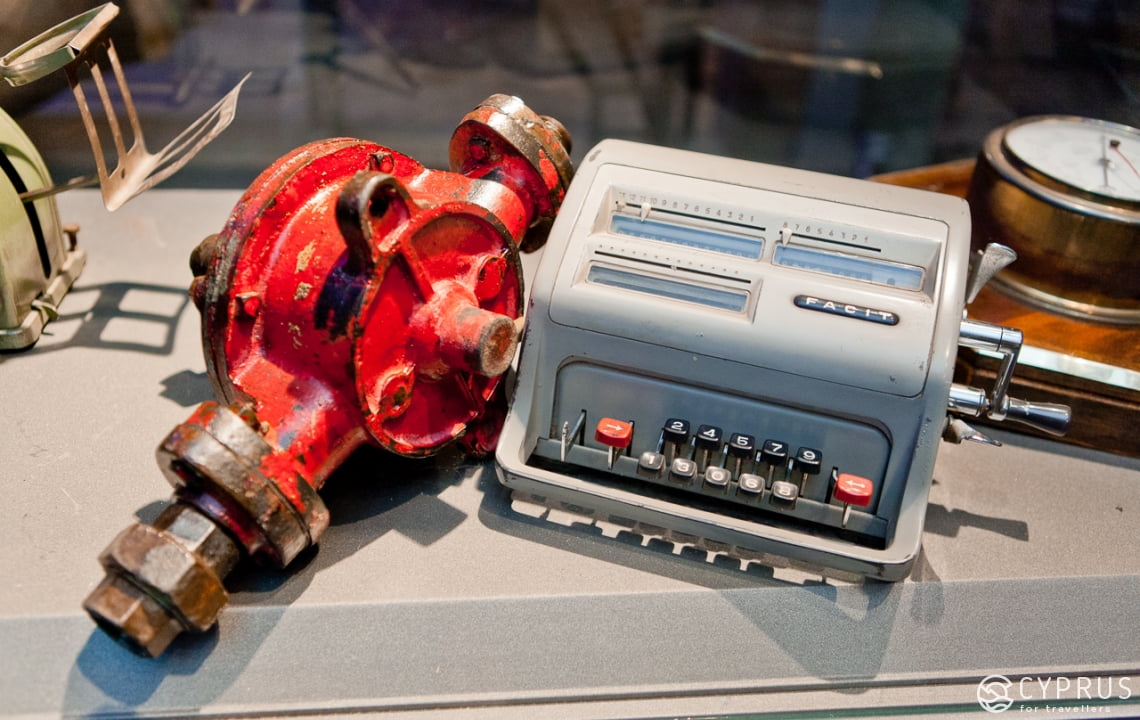
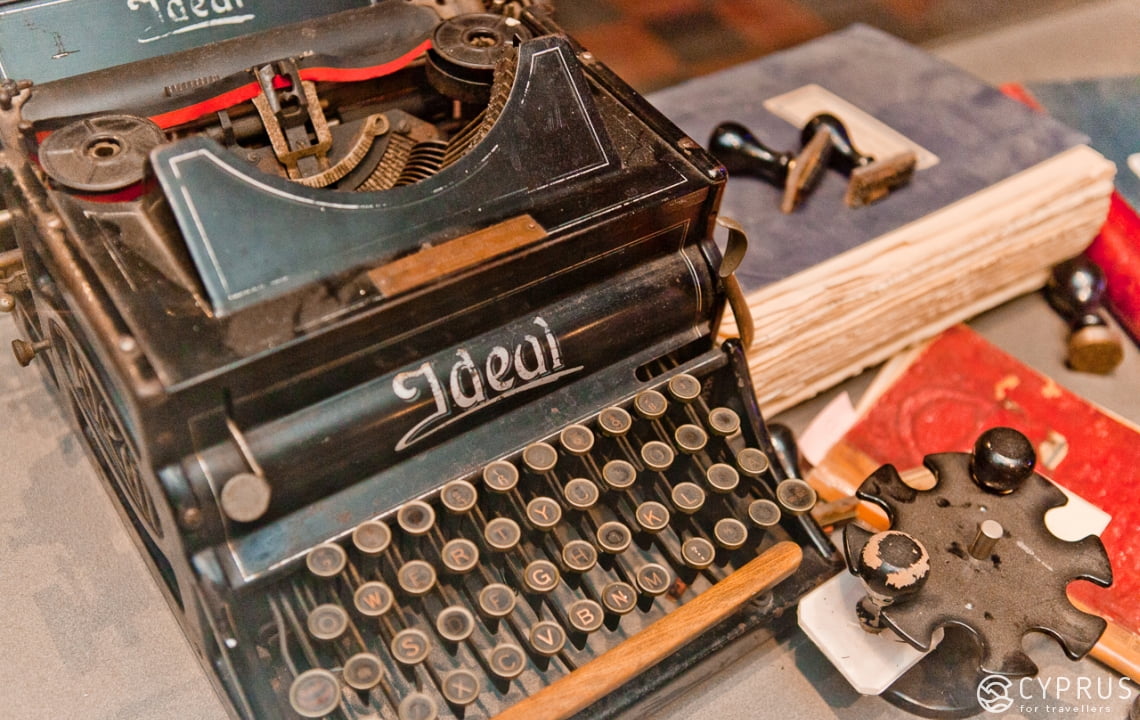
Nowadays in the museum — situated in the central operation area of the old plant, in the very heart of Limassol’s historical region — visitors can see production equipment which was left behind: sorting machines, scales, rubbish collectors and other objects linked to the manufacturing process. You can visit the museum for free.
Photography by Daria Saulskaia